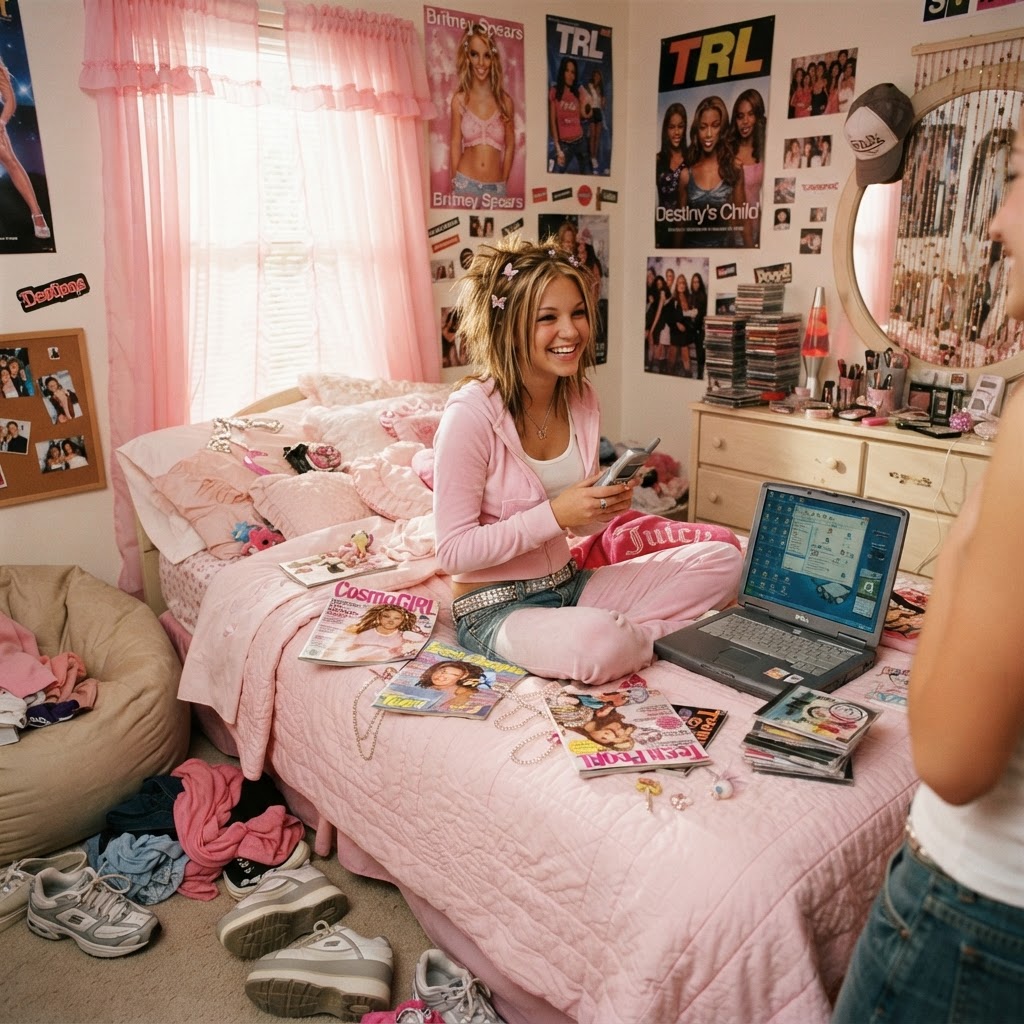
Y2K Fashion Is Back: How Vintage Sellers Can Cash In on the Early 2000s Revival
Low-rise jeans, butterfly clips, and bedazzled everything — Y2K fashion has officially left the nostalgia chat and landed on the main feed. Gen Z is raiding thrift stores and vintage marketplaces for the looks their older siblings once donated, and savvy sellers are reaping the rewards. Here's everything you need to know to position your Y2K inventory for maximum sales on Ensemble.
Why Y2K Fashion Is Having Its Biggest Moment Yet
Fashion has always moved in cycles, but the Y2K revival feels less like a trend and more like a full cultural reclamation. Roughly every 20–25 years, a generation rediscovers the aesthetic of an era just before their own — and right now, that era is the late 1990s through the early 2000s. Gen Z, who were toddlers (or not yet born) when Destiny's Child was topping the charts and Von Dutch trucker hats were everywhere, are embracing Y2K style with an enthusiasm that feels entirely fresh.
Search interest in terms like "Y2K outfit," "early 2000s fashion," and "vintage low-rise jeans" has surged dramatically across Pinterest, TikTok, and Google. Celebrity dressing has followed suit, with stars like Dua Lipa, Olivia Rodrigo, and Bella Hadid regularly channeling the era's most iconic silhouettes. The result? Demand for authentic vintage Y2K pieces — not fast-fashion reproductions — is higher than it has ever been.
For sellers on Ensemble, this is a golden opportunity. Let's break down exactly what's driving the trend, which pieces are selling, and how to position your inventory to reach eager buyers.
Understanding the Y2K Aesthetic
Before you can sell it, you need to understand what buyers actually mean when they say "Y2K." The term loosely covers fashion from approximately 1997 to 2005, though some collectors stretch it to 2008. It's an aesthetic defined by contradictions: futuristic metallics alongside ultra-feminine florals, baggy skater silhouettes living next to skin-tight velour tracksuits.
Key signature elements include:
- Low-rise bottoms — jeans, skirts, and trousers that sit well below the natural waist
- Logomania — visible brand logos from Coach, Juicy Couture, Von Dutch, and Ed Hardy
- Velour and terry cloth — particularly in tracksuit form, heavily associated with the Juicy Couture aesthetic
- Butterfly and bedazzled accessories — hair clips, rhinestone belts, and bejeweled phone cases
- Mesh and sheer fabrics — layered over camisoles or worn boldly on their own
- Mini skirts and tube tops — often paired together in coordinating sets
- Platform shoes and chunky sneakers — Buffalo platforms, Steve Madden slides, and early-era Nike Shox
- Denim everything — double denim, embroidered denim, and tinted denim in every wash
Authentic pieces from this era carry a tactile and material quality that modern reproductions simply can't replicate. That is precisely why buyers are turning to marketplaces like Ensemble rather than fast-fashion alternatives.
What's Driving the Revival Right Now
The Y2K resurgence isn't happening in a vacuum. Several cultural forces have collided to bring this aesthetic back into the spotlight.
Nostalgia as a coping mechanism plays a significant role. In uncertain times, people gravitate toward the aesthetics of eras that feel carefree and optimistic — and the early 2000s, despite their complexities, carry a certain pre-smartphone innocence that feels appealing today.
TikTok's role cannot be overstated. The platform's algorithm rewards visually bold, instantly recognizable content, and Y2K fashion is nothing if not visually striking. "Get Ready With Me" videos featuring vintage Y2K hauls regularly rack up millions of views, sending viewers directly to resale platforms in search of the specific pieces they just saw.
Sustainability consciousness is also steering buyers toward vintage. Gen Z and younger millennials are acutely aware of fast fashion's environmental impact. Buying an authentic vintage Juicy Couture tracksuit isn't just a fashion statement — it's an ethical one. This makes the vintage marketplace model uniquely powerful right now.
Finally, the 20-year fashion rule is simply doing what it always does. The generation that grew up watching Lizzie McGuire and listening to ’NSYNC is now old enough to dress with intention and disposable income, while the generation after them sees Y2K through a lens of cool detachment and ironic appreciation.
Which Y2K Pieces Are Selling Best
If you're a seller curating or sourcing Y2K inventory, focus your energy on these high-demand categories:
Juicy Couture tracksuits remain the crown jewel of Y2K collecting. Original velour sets in mint condition, particularly in pastel pink, baby blue, or white with rhinestone embellishment, can command significant prices. Document authenticity carefully — buyers know the difference.
Von Dutch and Ed Hardy pieces — hats, tees, and hoodies — have seen a dramatic spike in search interest. Original licensed pieces from the early 2000s are increasingly scarce, which drives up their value.
Low-rise denim from brands like Miss Sixty, Paper Denim & Cloth, True Religion, and early-era 7 For All Mankind is in constant demand. Condition and wash are everything here — photograph the waistband measurement prominently.
Y2K eveningwear is an underrated category. Slinky bias-cut slip dresses, embellished halter tops, and metallic mini dresses from this era are being snapped up for both going-out wear and costume-adjacent styling.
Logomania accessories — monogram bags, logo belts, and branded sunglasses — round out many buyers' outfits. Coach, Dooney & Bourke, and early Louis Vuitton-adjacent styles are particularly sought after.
Seller Tips: How to List Y2K Pieces for Maximum Impact
Knowing what to sell is half the battle. Here's how to make sure your listings actually convert.
Lead with era and aesthetic in your title. Buyers are searching specifically for "Y2K," "early 2000s," and "vintage 2000s" — make sure those terms appear naturally in your listing title and description. Don't just list a brand name; contextualize the piece.
Photograph for the aesthetic. Y2K pieces look best styled, not laid flat on a white background. Use warm, slightly overexposed lighting reminiscent of early digital camera flash photography — it's on-trend and evokes the era authentically. If you can style the piece on a model or dress form, even better.
Measure everything precisely. Because Y2K sizing ran very differently from contemporary sizing, buyers are extremely measurement-conscious. Always include waist, hip, inseam, and length measurements. For tops, include the chest measurement and crop length.
Authenticate and document. Call out original tags, hardware details, and any provenance you have. Buyers paying a premium for authentic vintage want reassurance. Close-up photographs of labels, stitching, and hardware build trust.
Price with confidence. Don't undersell authentic Y2K pieces because you're unsure of their value. Research comparable sold listings and remember that scarcity is on your side — fewer original pieces exist every year.
How to Source More Y2K Inventory
If you're ready to lean into this trend but feel like your current inventory is thin, here are reliable sourcing strategies.
Estate sales and storage auctions from the early-to-mid 2000s are gold mines. Look for sales in suburban areas where wardrobes from that era may have sat untouched for years.
Charity shops in college towns frequently receive donations from students clearing out older family wardrobes. Visit consistently and build relationships with staff.
Targeted social media appeals work surprisingly well. Post on community Facebook groups or neighborhood apps that you're specifically looking to purchase early 2000s clothing — many people have boxes in their attics they're happy to clear out.
Wholesale vintage lots from reputable dealers can jump-start your inventory quickly, though you'll need to sort carefully for quality and condition.
Conclusion: The Timing Has Never Been Better
The Y2K revival isn't a micro-trend that will fade by next season — the cultural infrastructure supporting it, from TikTok aesthetics to sustainability values to generational nostalgia, is deeply embedded. Sellers who build expertise in this era now will be positioned as trusted authorities for years to come.
Ensemble is the ideal home for authentic Y2K pieces precisely because our community values provenance, quality, and the story behind every garment. Whether you're listing a single rhinestone-studded Von Dutch cap or an entire curated collection of early 2000s going-out tops, Ensemble connects you with buyers who know the difference between the real thing and a fast-fashion knockoff — and are willing to pay for it. Start building your Y2K storefront today and ride one of vintage fashion's most exciting waves yet.