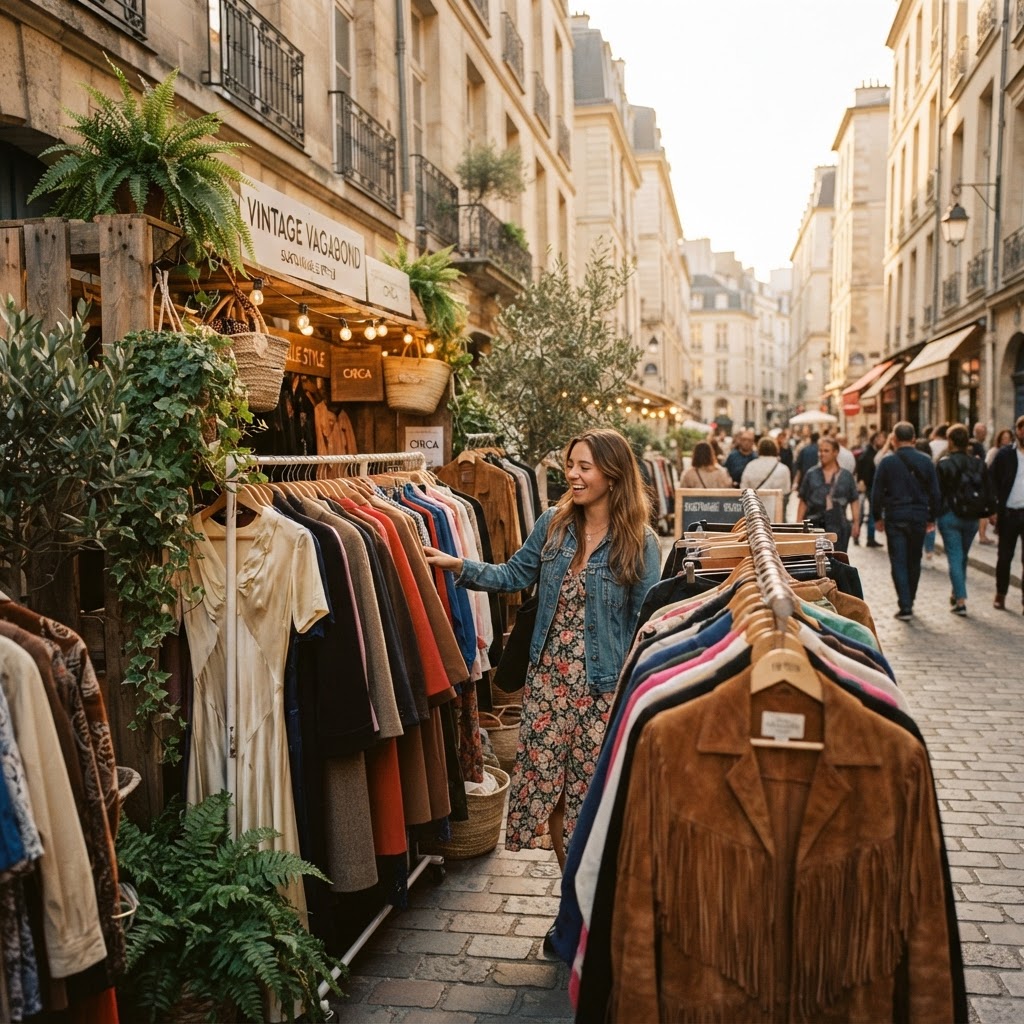
Wearing History: How Vintage Fashion Is the Ultimate Sustainable Style Choice
Fast fashion fills landfills at an alarming rate, but there's a timeless alternative hiding in plain sight — the vintage pieces already in circulation. From the beaded flapper dresses of the 1920s to the oversized denim of the 1990s, choosing vintage isn't just a style statement. It's one of the most powerful eco-conscious decisions a modern wardrobe can make.
The Hidden Environmental Cost of "New"
Every year, the global fashion industry produces an estimated 92 million tons of textile waste. The rise of fast fashion has normalized buying cheap, disposable clothing at a pace the planet simply cannot absorb. Synthetic fabrics shed microplastics into waterways, cotton farming consumes enormous quantities of water and pesticides, and the carbon footprint of shipping newly manufactured garments across the globe compounds the damage further.
But what if the most stylish thing you could do was simply stop buying new altogether?
Entering the world of vintage fashion — authentic, pre-owned clothing from the 1920s through the 2010s — isn't just about aesthetic nostalgia. It's about making a deliberate, meaningful choice to opt out of the cycle of overproduction. When you reach for a 1970s suede fringe jacket or a perfectly tailored 1950s wool coat, you're not just wearing a piece of history. You're participating in one of the most sustainable acts a consumer can make.
What Makes Vintage Fashion "Sustainable"?
At its core, sustainability in fashion means reducing the demand for new resource extraction, manufacturing, and waste. Vintage clothing, by definition, already exists. No new cotton was harvested, no synthetic fiber was extruded from petroleum, no factory emitted additional carbon to produce the garment you're pulling on. This concept is sometimes called the circular economy — keeping goods in use for as long as possible, extracting maximum value before anything reaches a landfill.
When you buy vintage, you are:
- Extending the lifecycle of a garment that might otherwise be discarded
- Reducing demand for new production and all the environmental costs it entails
- Diverting textiles from landfills, where synthetic fabrics can take hundreds of years to decompose
- Honoring the craftsmanship of an era when clothes were made to last
That last point deserves emphasis. Garments from the 1920s through the early 2000s were frequently constructed with a durability that modern fast fashion simply cannot match. Hand-stitched seams, natural fibers, and quality construction were standard rather than premium features. A vintage wool blazer from the 1960s was built to be worn for decades — and many have been.
A Decade-by-Decade Look at Sustainable Vintage Finds
The 1920s–1940s: Wartime Ingenuity and Natural Fibers
The early 20th century was, by necessity, an era of resourcefulness. During the Great Depression and World War II, "make do and mend" wasn't a trend — it was survival. Clothing was repaired, repurposed, and passed down. The fabrics of the era — silk, wool, cotton, and rayon — were almost entirely natural or plant-based, with significantly lower ecological footprints than today's petroleum-derived synthetics.
A 1930s silk bias-cut gown or a 1940s wool day suit represents the pinnacle of thoughtful construction. These pieces were expensive investments meant to last a lifetime, and those that have survived nearly a century are testaments to that ethos.
The 1950s–1960s: The Golden Age of Tailoring
Post-war prosperity brought with it a renewed celebration of well-crafted clothing. The 1950s and 60s are beloved by vintage collectors for their structured silhouettes, quality textiles, and timeless elegance. A 1950s circle skirt or a 1960s mod shift dress requires no trend forecasting — these pieces have looked chic for seventy years and will continue to do so.
Because these garments were expensive relative to income at the time, consumers bought fewer pieces and cared for them meticulously. The result is a rich supply of well-preserved vintage that still circulates in the secondhand market today.
The 1970s: The Earth-Conscious Decade
Perhaps no decade aligns more naturally with modern eco-consciousness than the 1970s. The environmental movement was born in this era — Earth Day launched in 1970, and attitudes about humanity's relationship with the natural world began to shift dramatically. Fashion reflected this: natural fabrics like cotton, linen, and leather dominated, and artisanal, handmade aesthetics were celebrated over mass production.
Seeking out 1970s vintage is almost poetic in its sustainability circularity. The decade that gave us environmental awareness also gave us some of the most enduring, naturally sourced fashion in history.
The 1980s–1990s: Maximalism and Durability
The bold shoulders, bright colors, and maximalist energy of the 1980s might seem at odds with minimalist eco-consciousness — but the construction quality of this era remains impressive. Power suits were built for boardroom battles, not single-season trends. Similarly, 1990s grunge and minimalism produced durable denim, sturdy flannels, and quality leather goods that have proven their longevity as today's vintage market booms with Gen Z enthusiasm.
Buying a vintage 1990s denim jacket instead of a newly manufactured one saves water (it takes approximately 1,500 gallons of water to produce a single pair of jeans), reduces chemical runoff from dye processes, and keeps an already-existing garment in active use.
The 2000s–2010s: Y2K's Second Life
The earliest decades to enter the vintage conversation, Y2K fashion and 2010s streetwear are now highly collectible. More importantly, as these pieces age into the secondhand market, buying them vintage rather than chasing newly manufactured "Y2K-inspired" fast fashion is a critical sustainability distinction. Choosing authentic vintage over trend-chasing reproductions means the environmental math actually works in your favor.
The "Buy Less, Buy Better" Philosophy
One of the most powerful sustainability arguments for vintage fashion is the shift in consumer mindset it encourages. Vintage shopping, by its nature, rewards patience, curiosity, and intentionality. You are not buying a garment because an algorithm told you it was trending. You are choosing a specific piece with its own history because it speaks to your personal aesthetic and is built to last.
This is the "buy less, buy better" philosophy in action. A wardrobe curated with vintage pieces tends to be smaller, more personal, and more enduring than one assembled from fast fashion hauls. Each item carries provenance and character that disposable clothing can never replicate.
Caring for Vintage: Sustainability in Practice
Owning vintage also encourages more mindful garment care — another pillar of sustainable fashion. Washing clothes less frequently, using cold water, air-drying delicate fabrics, and learning basic mending skills all extend the life of vintage pieces and reduce the environmental impact of their maintenance.
Many vintage collectors become inadvertent experts in textile preservation, learning which fabrics need dry cleaning, how to store beaded or embellished pieces, and when to take a beloved item to a skilled tailor for restoration. This hands-on relationship with clothing is the antithesis of throwaway culture.
Conclusion: Shop the Archive at Ensemble
Vintage fashion is not a compromise between style and sustainability — it is proof that they were never in conflict to begin with. The most beautiful, enduring, and thoughtfully constructed garments in history are already out there, waiting to be worn again.
At Ensemble, our marketplace is built on exactly this belief. We curate authentic vintage clothing from the 1920s through the 2010s, connecting style-conscious shoppers with pieces that have stood the test of time — and will continue to do so for decades to come. Every purchase made on Ensemble is a vote for the circular economy, a celebration of craftsmanship, and a quiet act of rebellion against the disposable fashion industry.
Your most sustainable outfit is the one that already exists. Come find it.