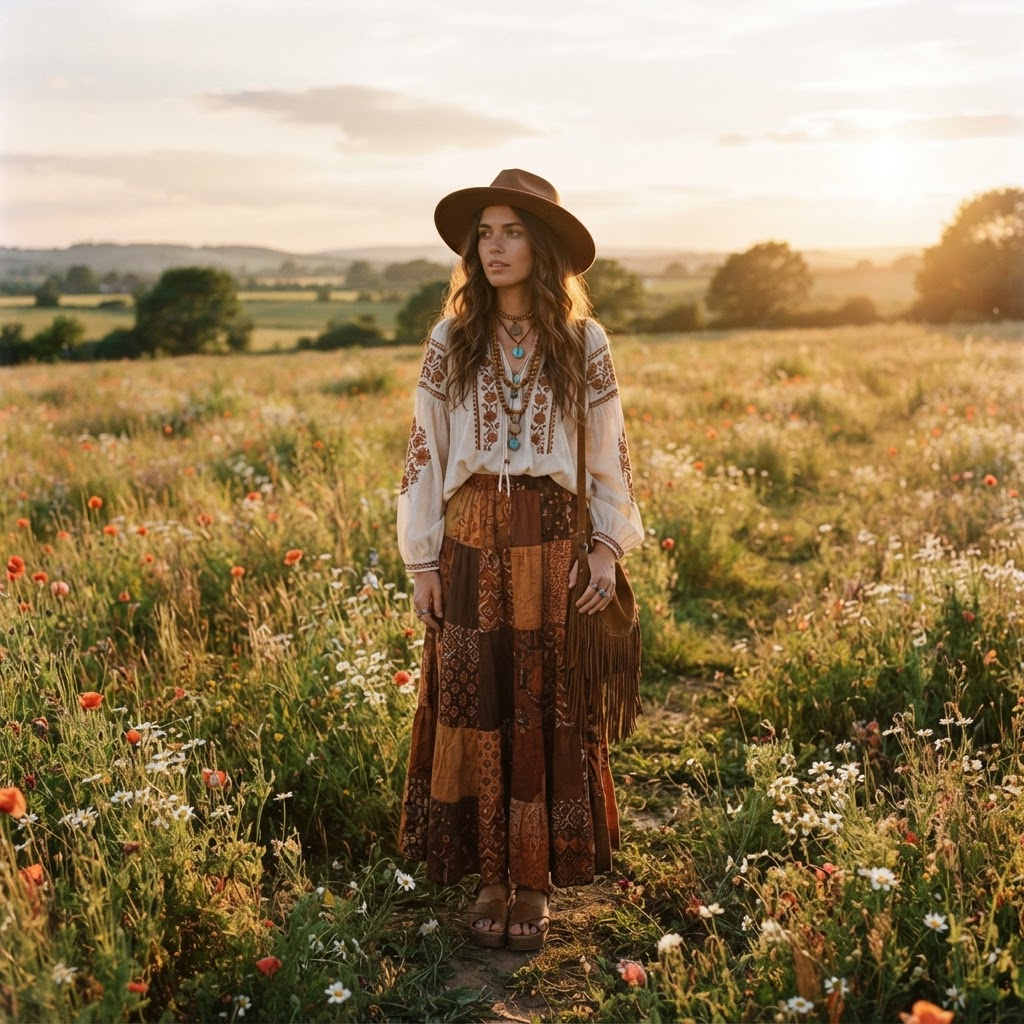
How to Style 1970s Boho Fashion for Modern Everyday Wear
The free-spirited, earth-toned magic of 1970s boho fashion never really went away — it just waited for the right moment to come back. Whether you're a seasoned vintage collector or just dipping your toes into retro style, incorporating authentic 70s pieces into your everyday wardrobe is easier than you think. Here's how to channel that golden-era bohemian energy without looking like you raided a costume shop.
Why 1970s Boho Fashion Feels So Right in 2024
There's something undeniably magnetic about the aesthetic of the 1970s. It was a decade defined by creative freedom, a rejection of conformity, and a deep romance with the natural world. Bohemian fashion from this era — think flowing maxi skirts, embroidered peasant blouses, suede fringe jackets, and platform sandals — captured all of that spirit in textile form. Today, as modern fashion continues to cycle back toward comfort, individuality, and sustainability, the 70s boho aesthetic fits right in.
The good news for vintage lovers? Authentic pieces from this decade are still widely available, and they're built to last. Incorporating them into a contemporary wardrobe doesn't require a total style overhaul. It's about balance, intention, and knowing which pieces do the heavy lifting.
Start With the Foundational Pieces
Before you dive into the more adventurous corners of 70s boho style, identify the workhorses — the pieces that blend seamlessly into modern outfits while still carrying that vintage soul.
The Peasant Blouse is your best friend. Authentic 70s peasant blouses feature delicate smocking, embroidered necklines, and billowy sleeves. Paired with high-waisted modern denim or tailored wide-leg trousers, they read as effortlessly chic rather than costumey. Look for natural fabrics like cotton, gauze, or cheesecloth for the most authentic feel.
Maxi Skirts and Dresses are another cornerstone. The 70s loved a floor-grazing silhouette, and so does contemporary fashion. A patchwork or floral maxi skirt can be worn with a simple fitted white tee for an easy, modern look. The key is keeping the top half grounded so the vintage piece gets to shine.
Suede and Leather Fringe pieces — whether a jacket, vest, or handbag — add instant 70s credibility to any outfit. Wear a fringe vest over a modern slip dress or layer it over a turtleneck in cooler months for a look that feels both retro and current.
Mastering the Art of Mixing Eras
One of the biggest mistakes people make when styling vintage is wearing head-to-toe looks from a single decade. While that can work beautifully for editorial or special occasions, mixing eras is the secret to wearable everyday vintage style.
Try pairing an authentic 70s embroidered jacket with contemporary minimalist basics — straight-leg jeans, a clean white tee, and simple leather sneakers. The vintage piece becomes the focal point, and the modern elements keep the look grounded and fresh.
Alternatively, build a modern outfit and introduce a single 70s boho element: a macramé belt, a pair of genuine leather platform clogs, or a wide-brimmed felt hat. These accessories carry enormous stylistic weight without requiring you to rethink your entire wardrobe.
Color and Print: Embracing the Earth Palette
The 1970s boho color story is one of its most distinctive features. Burnt orange, mustard yellow, forest green, warm brown, cream, and rust were the dominant tones of the era. These colors work beautifully in contemporary fashion because they're warm, versatile, and deeply flattering across skin tones.
When shopping for 70s vintage pieces, lean into this palette. An authentic mustard-toned wrap dress or a rust-colored suede skirt will integrate far more naturally into a modern wardrobe than something in a more era-specific neon or psychedelic print — unless maximalism is your personal brand, in which case, lean all the way in.
For prints, paisley, floral, and geometric patterns are the hallmarks of 70s boho. The trick to modernizing them is scale and pairing. A large-scale paisley blouse works best with solid-colored bottoms. A delicate floral midi skirt can be paired with a graphic modern tee for an unexpected, editorial contrast.
Layering Like a 70s Bohemian
The 1970s were masters of layering — it was a practical and aesthetic necessity. Recreating this in a modern context adds dimension and interest to your outfits.
Start with a base layer: a fitted turtleneck, a simple tank, or a classic button-down. Add a vintage mid-layer: a crocheted vest, an embroidered kimono, or a lightweight suede jacket. Finish with accessories that tell the story: long beaded necklaces, stacked rings, leather wrap bracelets, and a wide-brimmed hat.
The key to keeping layered 70s-inspired looks modern is to resist the urge to add everything at once. Choose two or three statement elements and let them breathe. Restraint in vintage styling is always rewarded.
Footwear: The Grounding Element
Shoes can make or break a vintage-inspired look. For 70s boho styling, you have several options depending on how committed you want to be to the era.
Authentic 70s platforms — chunky-heeled clogs, strappy wedge sandals, and leather platforms — are incredible statement pieces and surprisingly wearable. Because platform shoes have cycled back into mainstream fashion multiple times since the 70s, they feel contemporary rather than nostalgic.
If you prefer a subtler approach, modern ankle boots or simple leather sandals in earthy tones will complement 70s boho pieces without competing with them. A pair of clean white sneakers can also work surprisingly well with a flowing boho outfit — the contrast creates a modern, effortless energy.
Shopping for Authentic 70s Pieces: What to Look For
Not all vintage is created equal, and knowing what to look for when sourcing authentic 1970s clothing will save you time and money.
Check the labels: Brands like Gunne Sax, Cacharel, and Norma Kamali were prominent in this era. Department store labels like Sears, JCPenney, and Montgomery Ward also produced high-quality boho pieces that are now collectible. Union labels are a good indicator of pre-1980s American manufacturing.
Feel the fabric: Authentic 70s pieces were predominantly made from natural and semi-synthetic fibers — cotton, wool, silk, and early polyester blends. That distinctive silky-yet-lightweight 70s polyester has a very specific hand-feel that's hard to replicate. It drapes beautifully and holds its color remarkably well after decades.
Inspect the construction: Vintage clothing from this era was often made with more care and attention to detail than fast fashion today. Look for French seams, quality lining, and hand-stitched embellishments as signs of an authentic, well-made piece.
Embrace imperfection: Minor wear, slight fading, and natural aging are all part of the charm of authentic vintage. These characteristics add character and confirm the piece's history.
Building a Capsule Wardrobe Around 70s Boho Pieces
If you're serious about incorporating 70s boho fashion into your regular rotation, consider building a small vintage capsule wardrobe around a handful of key pieces:
- One embroidered or smocked peasant blouse
- One maxi skirt or wrap dress in an earthy print
- One fringe or suede jacket
- One crocheted or knitted vest
- A collection of boho accessories: belts, hats, jewelry, and bags
These five categories will give you enormous outfit flexibility. Mix them with your existing modern wardrobe and you'll find that the 70s boho spirit integrates more naturally than you'd expect.
Conclusion: Find Your Next Vintage Find on Ensemble
Styling 1970s boho fashion for modern everyday wear is ultimately about embracing the freedom and individuality that defined the decade in the first place. There are no strict rules — only guidelines, inspiration, and the joy of finding a piece that speaks to you across fifty years of fashion history.
If you're ready to start building your 70s boho wardrobe or looking to add that one perfect statement piece, Ensemble is the place to start. Our marketplace connects you with carefully curated, authentic vintage clothing from the 1920s through the 2010s, with sellers who know and love the eras they specialize in. Browse our 1970s collection today and discover the piece that was waiting just for you.