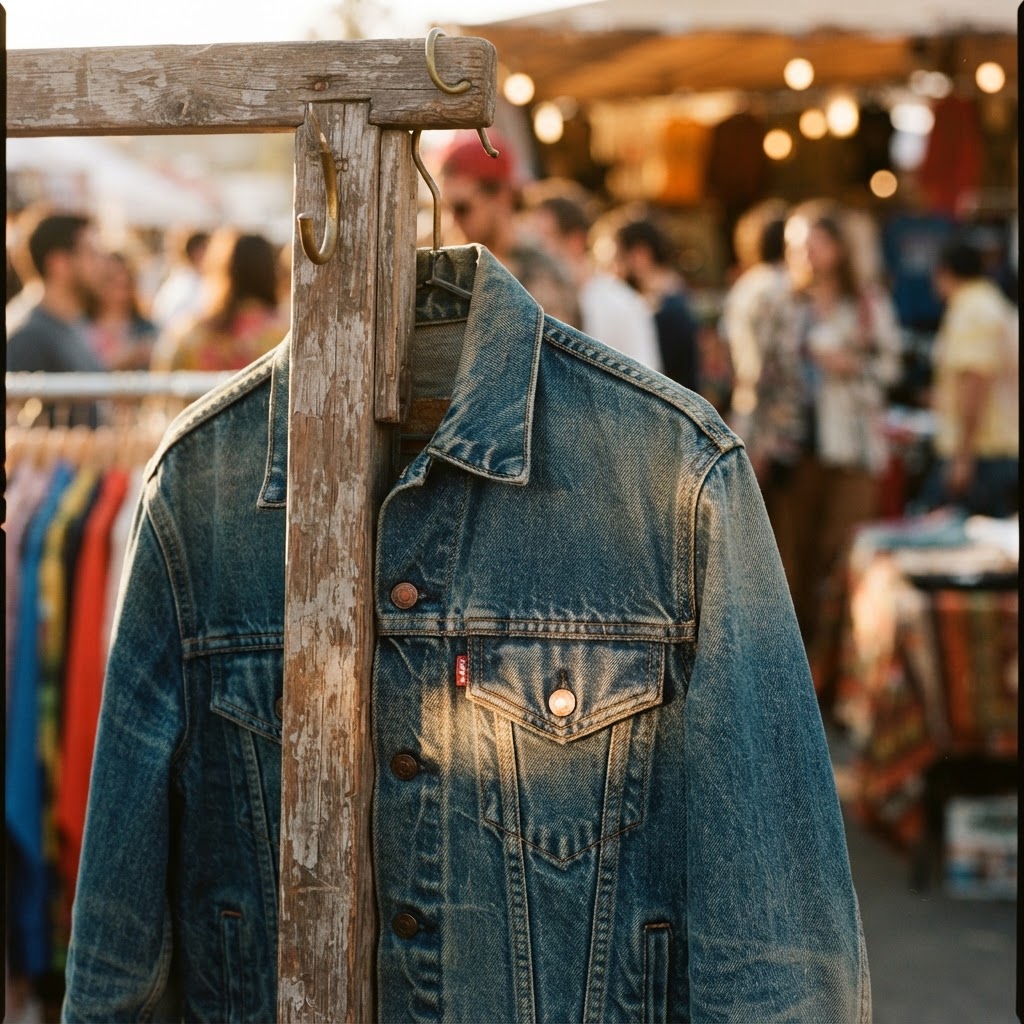
How to Price and Sell Vintage Denim Jackets Online: The Ultimate Guide for Resellers
Vintage denim jackets are some of the most sought-after pieces in the secondhand market — but knowing how to price them can feel like cracking a secret code. From a rare 1960s Levi's Type III to a stonewashed 1980s gem, the right price tag makes all the difference between a quick sale and a listing that collects dust. Here's everything you need to know to price and sell vintage denim jackets with confidence.
Why Vintage Denim Jackets Are Having a Moment
Denim never really goes out of style — but vintage denim jackets have reached a fever pitch of popularity that shows no signs of cooling down. Shoppers are hunting for authentic, well-worn pieces that carry the character and craftsmanship of decades past. Whether it's the indigo-dyed perfection of a 1970s Wrangler or the oversized silhouette of a 1990s grunge-era find, buyers know what they want. And as a seller, understanding why they want it is the first step to pricing it right.
Vintage denim jackets span nearly every decade covered by the vintage market — from the utilitarian workwear of the 1920s and 1930s through the fashion-forward cuts of the 2000s. Each era carries its own collector appeal, construction quirks, and price ceiling. Let's break it all down.
Know Your Decades: What Era Is Your Jacket?
Before you price anything, you need to authenticate and date your piece. The decade of origin is one of the single biggest factors in determining value.
- 1930s–1950s: These are the holy grails of denim collecting. Pre-1960s Levi's, Lee, and Wrangler jackets with features like cinch backs, pleated fronts, and single-stitch seams can fetch hundreds — sometimes thousands — of dollars. If you have one of these, do your homework carefully.
- 1960s–1970s: The era of the Type III Levi's trucker jacket (introduced in 1962) and bold Western-style cuts. Look for red tab placement, hidden rivets, and capital-E "LEVI'S" tags to narrow down the year. These jackets are extremely popular with collectors and stylists alike.
- 1980s: Stonewashing, acid washing, and oversized fits define this decade. Distressed and embellished jackets — think patches, paint splatter, and bedazzled detailing — have surged in value thanks to Y2K and 1980s nostalgia trends.
- 1990s: Grunge and minimalism both left their mark on denim. Classic indigo trucker styles re-emerged alongside boxy, faded fits worn by everyone from Kurt Cobain to Calvin Klein models. These are often underpriced and represent a smart buy-low opportunity for resellers.
- 2000s–2010s: Still emerging as a collectible category, but limited-edition collabs, branded pieces, and designer denim jackets from this era are climbing in value faster than most sellers expect.
How to Authenticate Vintage Denim
Authenticity is everything in vintage denim. Buyers are savvy, and misrepresenting a jacket — even accidentally — will damage your seller reputation. Here's what to check:
- Labels and tags: Research brand-specific label timelines. Levi's, for example, changed its tag design multiple times across the decades. A red tab with a capital "E" in "LEVI'S" indicates pre-1971 production — a significant value marker.
- Hardware: Original copper rivets, zipper pulls, and button shanks can help date a piece. Look for manufacturer stamps on hardware.
- Stitching: Single-stitch construction on seams and hems typically indicates pre-1980s manufacture. Double-stitching became the norm in later decades.
- Fabric weight and feel: Older denim is often heavier and has a distinctly different hand feel than modern reproductions. Selvedge denim — identifiable by the clean, finished edge on the inside seam — is a strong indicator of quality and age.
- Country of manufacture: "Made in USA" labels can help narrow down dates for many brands, as domestic production was phased out at different times across manufacturers.
When in doubt, consult reference books like Levi's Vintage Clothing guides or reach out to online denim collector communities before listing.
Pricing Your Vintage Denim Jacket
Pricing vintage denim is part research, part instinct, and part positioning. Here's a practical framework:
1. Research Comparable Sales
Don't look at listed prices — look at sold listings. On platforms like eBay, filter by "Sold Items" to see what buyers are actually paying. Check Depop, Grailed, and of course Ensemble for recent comparable sales. A 1970s Levi's Type III in good condition might list for $300, but if comparable pieces are selling for $180, that's your real market floor.
2. Assess Condition Honestly
Condition is the great equalizer in vintage pricing. Use industry-standard language:
- Mint/Excellent: No visible flaws, all hardware intact, vibrant color
- Very Good: Minor wear consistent with age, no damage
- Good: Visible fading, small repairs, or minor staining — priced accordingly
- Fair/Distressed: Intentional or unintentional heavy wear — still sellable, but be transparent
A mint 1980s acid-wash jacket can command a premium, while the same jacket with a cracked lining might sell for 40% less.
3. Factor In Rarity and Demand
Is it a limited run, a collaboration, or a discontinued colorway? Rarity drives price above condition. A beat-up rare piece often outsells a pristine common one. Know your market.
4. Don't Forget Your Costs
Price to profit. Factor in platform fees (typically 10–20%), shipping materials, and your time sourcing and photographing. A good rule of thumb: your asking price should be at least 3x your sourcing cost for sustainable reselling.
Photographing and Writing Listings That Sell
Great photography is non-negotiable. Here's how to shoot vintage denim for maximum appeal:
- Use natural light whenever possible. Denim color and texture read best in daylight without harsh flash.
- Shoot on a model or dress form — flat lays undersell denim's fit and structure.
- Document everything: Front, back, inside label, all hardware, any flaws or repairs. Transparency builds trust and reduces returns.
- Show the fade: Beautiful natural fading is a selling point, not a flaw. Highlight patina and wear as evidence of authenticity.
For your written listing, lead with the decade, brand, and style in your title (e.g., "1970s Levi's Type III Denim Trucker Jacket — Size Medium — Red Tab"). In the description, include measurements (chest, length, sleeve), label details, notable features, and an honest condition assessment. Buyers searching for vintage denim know exactly what they want — speak their language.
Common Pricing Mistakes to Avoid
- Overpricing based on sentimental value. The market doesn't care how much you love it.
- Underpricing because you're unsure. Do the research first. A quick $20 flip on a rare piece is a loss you'll feel.
- Ignoring size demand curves. Larger sizes (XL and above) in vintage often command premiums because they're harder to find. Smaller sizes may be more abundant.
- Not adjusting for trends. The 1990s denim revival caught many sellers off guard. Watch fashion media and social platforms to stay ahead of demand shifts.
Conclusion: Find Your Denim, Find Your Buyer
Vintage denim jackets are more than wardrobe staples — they're wearable history, and buyers are willing to pay for authenticity, story, and style. By dating your pieces accurately, pricing based on real market data, and presenting your listings with professional photography and honest descriptions, you'll build a reputation as a trusted seller in one of vintage fashion's most exciting categories.
If you're ready to reach buyers who truly appreciate the craft behind every rivet and selvedge seam, Ensemble is built for exactly that. Our marketplace connects passionate vintage sellers with knowledgeable buyers across every decade from the 1920s to the 2010s. List your denim collection today and let the right jacket find its rightful owner.