How to Price and Sell Vintage Denim Jackets Online: The Complete Seller's Guide
Vintage denim jackets are among the most sought-after pieces in the resale market, but knowing how to price and present them can mean the difference between a quick sale and a listing that lingers for months. Whether you're clearing out a collection or building a serious resale business, getting the details right is everything. This guide walks you through exactly what buyers are looking for — and how to turn that knowledge into profit.
Why Vintage Denim Jackets Are Having a Moment
From the sun-bleached Levi's trucker jackets of the 1970s to the oversized, acid-washed styles that defined the late 1980s, vintage denim jackets have never really gone out of style — they've just cycled in and out of the spotlight. Right now, they're firmly back in it. Collectors, stylists, and everyday shoppers are hunting for authentic pieces with history, character, and that impossible-to-fake patina that only decades of wear can produce.
If you're sitting on a stack of vintage denim jackets and wondering how to turn them into cash, you're in the right place. Let's break down everything you need to know about pricing, presenting, and selling these iconic pieces online.
Know Your Eras: Decade Matters More Than You Think
Before you can price anything, you need to identify what you actually have. The decade a jacket was made in dramatically affects its value, and buyers who know their stuff will call you out immediately if your description is off.
- 1950s–1960s: Early denim jackets from this era — particularly first and second edition Levi's Type I, II, and III jackets — are considered holy grail items. Single-stitch construction, selvedge denim, and specific tab placements are key markers. These can fetch hundreds or even thousands of dollars in good condition.
- 1970s: Big E Levi's, Lee Riders, and Wrangler blanket-lined styles are highly collectible. Look for orange tab versus red tab Levi's to distinguish the era.
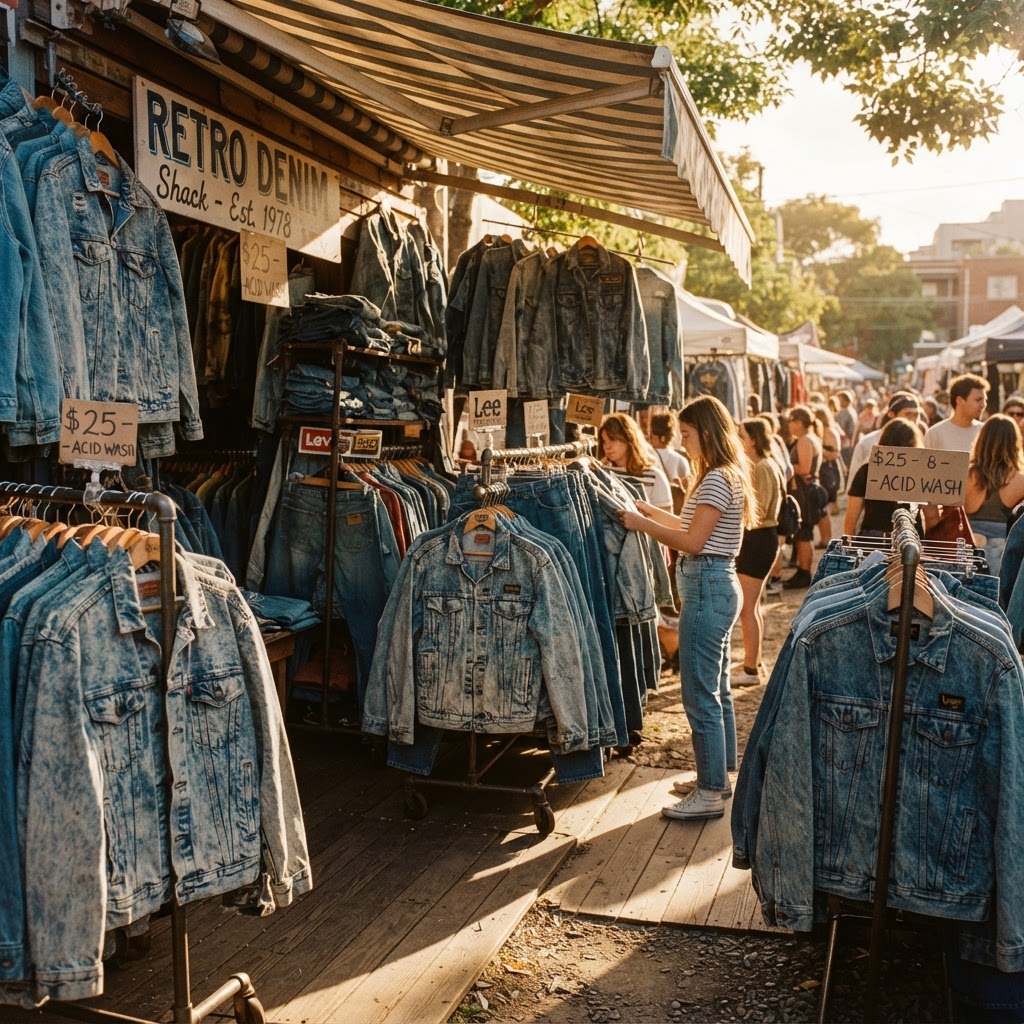
- 1980s: Acid wash, heavy distressing, and oversized silhouettes define this decade. Deadstock 1980s denim jackets — unworn with original tags — command serious premiums.
- 1990s: Grunge-era denim, band patches, and painted backs. Sought after by younger collectors who grew up in this decade.
- 2000s–2010s: Still emerging as collectible territory, but designer collaborations and limited-edition pieces already show strong resale value.
Take time to research the brand's tag history. Levi's, Lee, and Wrangler all changed their tag designs over the decades, and these tags serve as built-in timestamps. There are excellent online databases and collector communities dedicated to this kind of dating.
Assess Condition Honestly — and Specifically
Condition is everything in vintage resale, and vague descriptions like "good used condition" won't cut it for buyers investing serious money. Use a clear grading framework and stick to it.
- Mint / Deadstock: Unworn, original tags intact. Highest possible price point.
- Excellent: Minimal wear, no significant flaws, all hardware functioning.
- Very Good: Light fading or wear consistent with age, no holes or repairs.
- Good: Noticeable wear, possible minor repairs, still wearable and presentable.
- Fair / As-Is: Significant flaws — staining, repairs, missing buttons. Price accordingly and always disclose.
Be specific about flaws. Note the location, size, and nature of any stain, tear, fade, or repair. Buyers respect honesty, and detailed condition notes dramatically reduce return requests and disputes.
Research Comparable Sales Before Setting a Price
Pricing vintage is part science, part art. The most reliable method is researching completed sales — not current listings, but items that have actually sold.
On most major resale platforms, you can filter search results to show sold listings. Search for your jacket's brand, approximate decade, size, and key features. Look at five to ten comparable sold items and note the price range. Then position your jacket within that range based on condition, rarity, and any standout features.
Key factors that increase value:
- Rare colorways or limited production runs
- Original hardware (all original buttons, no replacements)
- Selvedge or deadstock fabric
- Documented provenance or celebrity/cultural association
- Unusual size (very small or very large vintage pieces are often rarer)
Key factors that decrease value:
- Fading beyond "natural patina" into damage
- Non-original repairs or alterations
- Missing or replaced hardware
- Strong odors (even if treatable, many buyers won't risk it)
Photography: Your Listing Lives or Dies Here
Online vintage buyers cannot touch, smell, or try on your jacket before purchasing. Your photos are doing all of that work for them. Invest in good photography and it will pay off immediately.
Essential shots to include:
- Front flat lay on a clean, neutral background
- Back flat lay
- Both side panels
- Close-up of the tag (brand tag, size tag, care label if present)
- All hardware — buttons, zippers, rivets
- Any significant wear, fading, or flaws (never hide these)
- On-body or on-hanger shot to show silhouette and fit
Use natural light whenever possible. Avoid heavy filters that alter the true color of the denim — buyers will feel deceived if the jacket looks different when it arrives. A slightly overcast day gives even, flattering light without harsh shadows.
Write Listings That Convert
Your title and description need to work hard. Think about the words a buyer would actually type into a search bar: brand + decade + style + size + key feature. For example: "1980s Levi's Trucker Denim Jacket Size Medium Acid Wash Orange Tab Vintage"
In the description, cover:
- Brand and model (if identifiable)
- Approximate decade/era with the evidence you used to date it
- Fabric and construction details (selvedge, single stitch, etc.)
- Measurements — chest, shoulder width, sleeve length, body length. Always include measurements. Vintage sizing runs wildly different from modern sizing.
- Condition details — be thorough and honest
- Styling notes — a brief sentence about how the piece might be worn helps buyers visualize ownership
Avoid filler phrases like "gorgeous" or "amazing" without specifics. Let the facts do the selling.
Shipping and Packaging
Denim is heavy. Factor shipping weight into your pricing so you're not absorbing unexpected costs. Most denim jackets will weigh between 1.5 and 2.5 pounds, plus packaging.
Fold the jacket neatly, wrap in tissue paper, and place in a poly mailer or box depending on the value of the item. For higher-end pieces, include a handwritten thank-you note — it's a small touch that generates positive reviews and repeat buyers.
Always use tracked shipping. It protects both you and the buyer, and most platforms will require it for seller protection.
Build a Reputation as a Trusted Seller
In the vintage marketplace, your reputation compounds over time. Accurate descriptions, fast shipping, and responsive communication turn one-time buyers into loyal followers who will come back for your next listing before it's even been up an hour.
Encourage buyers to leave reviews. Engage genuinely with questions. And if a buyer receives something that doesn't match your description, make it right — even when it stings.
Conclusion: List Smarter on Ensemble
Selling vintage denim jackets online is a skill you build over time, but the fundamentals don't change: know your product, price it honestly, photograph it beautifully, and describe it with precision. The market for authentic vintage denim is strong, the buyers are passionate, and the right jacket in the right hands is a genuinely satisfying transaction for everyone involved.
If you're ready to put these tips into practice, Ensemble is the ideal platform to start. Built specifically for authentic vintage clothing from the 1920s through the 2010s, Ensemble connects knowledgeable sellers with buyers who truly appreciate the history and craft behind every piece. List your denim jackets where they'll be seen by the right people — and where your expertise as a seller will be recognized and rewarded.