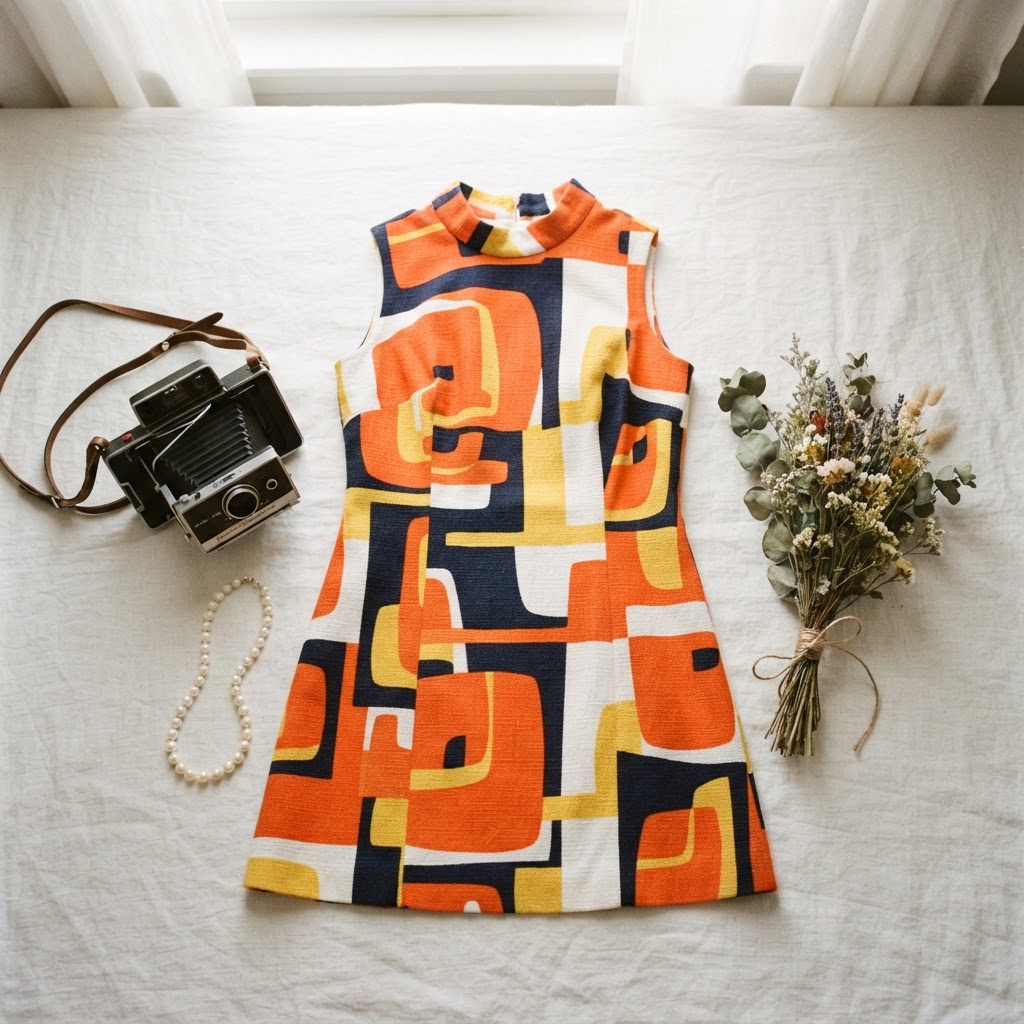
How to Photograph Vintage Clothing for Resale: Lighting & Styling Tips That Sell
A stunning photograph can mean the difference between a vintage piece that sits in your closet and one that sells within hours. Whether you're listing a 1970s wrap dress or a 1990s leather jacket, mastering the art of clothing photography will help your pieces find their perfect new homes. Here's everything you need to know about lighting, styling, and shooting vintage fashion like a pro.
Selling vintage clothing online is as much about storytelling as it is about the garment itself. Buyers can't touch the fabric, check the drape in person, or try it on before committing — so your photographs have to do all of that heavy lifting. The good news? You don't need a professional studio or expensive gear to create images that convert browsers into buyers. You just need the right techniques, a little patience, and an eye for the story each piece wants to tell.
Start With the Right Light
Lighting is, without question, the single most important element of clothing photography. Poor lighting can make a silk blouse look dull, obscure embroidery details, or misrepresent the true color of a garment — all of which lead to returns, disputes, and unhappy customers.
Natural light is your best friend and it costs absolutely nothing. Position your shooting area near a large north- or east-facing window for soft, diffused daylight that minimizes harsh shadows. Avoid shooting in direct sunlight, which creates blown-out highlights and deep, unflattering shadows that hide texture and detail.
If you're shooting flat lays or hanging shots, golden hour — the hour after sunrise or before sunset — delivers a warm, romantic glow that works beautifully for pieces from the 1930s through the 1960s. For crisper, more editorial looks suited to 1980s and 1990s pieces, midday diffused light through a sheer curtain gives a clean, neutral tone.
When natural light isn't available, invest in a continuous LED softbox kit. These are relatively affordable and mimic the quality of window light. Always use two light sources placed at 45-degree angles to your subject to eliminate flat, one-dimensional images.
Choose Your Background Wisely
Your background should complement the garment without competing with it. For most vintage pieces, clean neutral backgrounds — white, cream, or light grey — keep the focus on the clothing and make it easier for buyers to assess color accurately.
That said, don't be afraid to add era-appropriate context. A 1920s beaded flapper dress photographed against a dark velvet backdrop with a string of pearls nearby immediately communicates luxury and history. A 1990s windbreaker laid flat on concrete or styled against a graffiti wall tells a completely different, equally compelling story.
Avoid busy patterns, clashing colors, or backgrounds that make it difficult to see the garment's edges. If you're unsure, white is always the safest and most versatile choice.
Flat Lay vs. Hanging vs. On-Body: Know When to Use Each
Each presentation method has its strengths, and the best listings often use a combination of all three.
Flat lays are ideal for showing the full shape of a garment without distortion. They work especially well for structured pieces like blazers, coats, and dresses with interesting prints. Lay the garment on a clean surface, smooth out any wrinkles, and shoot directly overhead with your camera parallel to the floor. Style flat lays with small, period-appropriate accessories — a vintage compact mirror, a silk scarf — to add personality without clutter.
Hanging shots are quick, consistent, and allow buyers to assess drape and silhouette. Use a slim velvet hanger in a neutral color and hang the piece against a clean wall or in front of a window. This method works particularly well for blouses, skirts, and lightweight dresses.
On-body shots — whether on a live model or a dress form — are the most powerful selling tool you have. They show buyers how a piece actually fits and moves, which dramatically increases purchase confidence. If you're using a live model, choose someone whose measurements are close to the garment's actual dimensions and always include their measurements in the listing. If you're using a vintage dress form, make sure it's appropriately sized for the decade — a 1950s dress form with a cinched waist will display a 1950s frock far more authentically than a modern one.
Steaming and Prepping Your Pieces
No amount of photographic skill can hide a wrinkled garment. Before every shoot, steam your pieces thoroughly using a handheld garment steamer. Avoid ironing directly on vintage fabrics, which can be fragile and heat-sensitive — steam is gentler and equally effective.
Check for any loose threads, missing buttons, or minor damage and either repair them before shooting or photograph them clearly and disclose them in your listing. Transparency builds trust, and honest listings tend to earn better reviews and repeat customers.
For knits and woolens from any decade, use a fabric shaver to remove pilling before photographing. It takes five minutes and makes a dramatic difference in how the piece photographs.
Capture the Details That Sell
Beyond your hero shots, always include close-up detail photographs. These are the images that turn interest into sales. Capture:
- Labels and tags, including brand, size, and country of manufacture — these are crucial for authenticating vintage pieces
- Fabric texture — shoot at an angle to show weave, embroidery, beading, or lace
- Hardware and closures — zippers, buttons, clasps, and buckles all tell a story and affect functionality
- Any flaws — worn areas, small stains, or repairs should be photographed clearly and in good light
For pieces from the 1920s–1940s, hand-beading, silk charmeuse, and bias cuts deserve their own close-ups. For 1960s–1970s pieces, focus on psychedelic prints and unique construction details. 1980s power shoulders and bold hardware are selling points; make them prominent. 1990s and 2000s pieces often sell on nostalgia — a clear logo shot or a recognizable silhouette can trigger an immediate emotional connection.
Edit With Restraint
Post-processing is a tool, not a crutch. Use photo editing apps like Lightroom, VSCO, or even your phone's native editor to:
- Correct white balance so colors are true to life
- Brighten shadows to reveal detail
- Increase clarity slightly to sharpen texture
- Straighten crooked horizons or hanging lines
What you should never do is alter the color of a garment through heavy filtering. If a buyer receives a mustard yellow blouse that looked cream in your photographs, you've created a problem. Color accuracy is non-negotiable in vintage resale.
Build a Consistent Aesthetic
Over time, developing a consistent visual style for your listings builds brand recognition and trust with repeat buyers. Choose a background color you use consistently, settle on a lighting setup that works for your space, and develop a signature way of styling flat lays or hanging shots. Buyers who love your aesthetic will return to your shop again and again.
This doesn't mean every photo should be identical — variety keeps a shop feeling fresh and curated. But a cohesive look signals professionalism and care, which are qualities that buyers associate with the quality of the garments themselves.
Conclusion: Let Your Pieces Shine on Ensemble
Vintage clothing carries history in every seam, and great photography honors that story while helping it reach the right buyer. With thoughtful lighting, careful styling, and honest detail shots, you're not just selling a garment — you're passing along a piece of living fashion history.
When you're ready to list your carefully photographed pieces, Ensemble is the marketplace built for exactly this kind of work. Our community of vintage lovers spans every decade from the roaring 1920s to the nostalgic 2010s, and they're actively searching for well-presented, authentic pieces just like yours. Upload your best shots, write a honest description, and let your vintage finds find their forever homes.