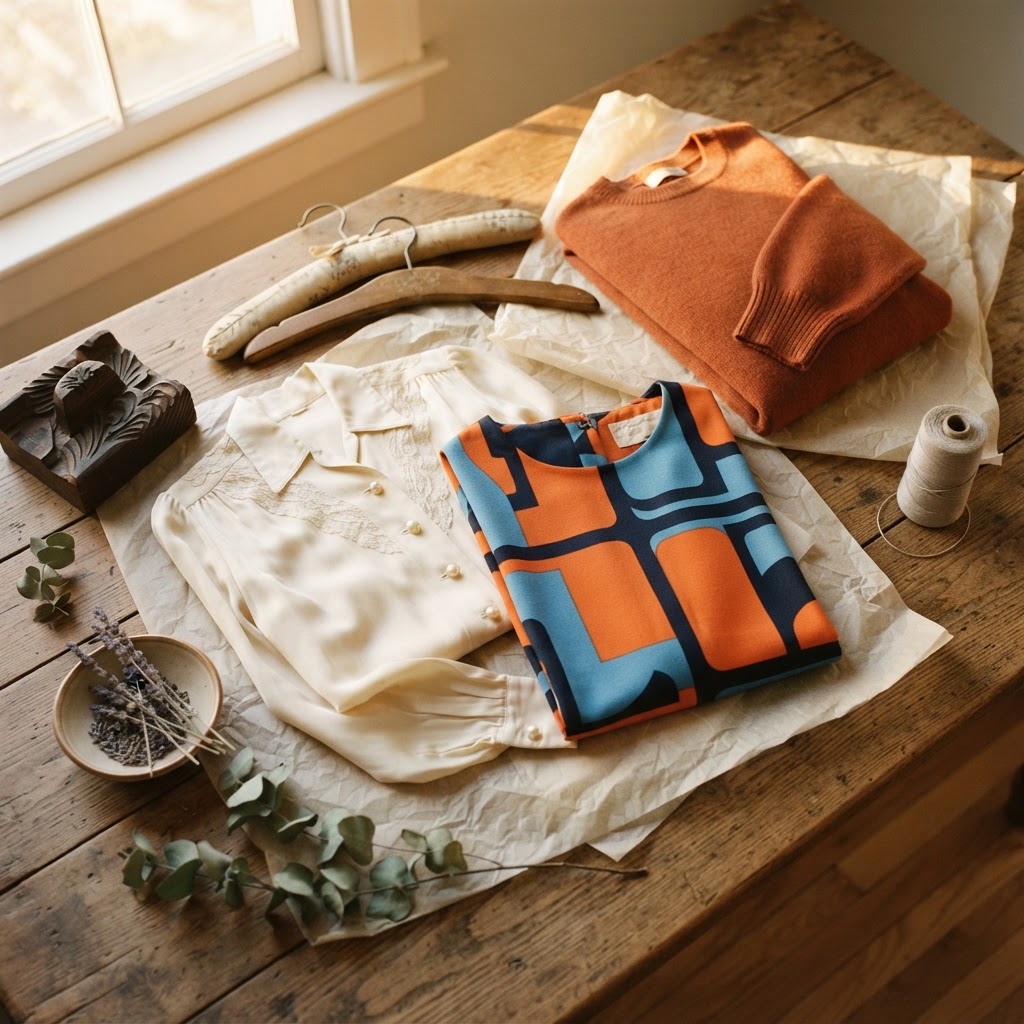
How to Care for and Preserve Vintage Clothing at Home: A Complete Guide
Vintage clothing tells a story — but only if you help it survive long enough to keep telling it. Whether you've just scored a 1940s silk blouse or a 1980s sequined blazer, proper care at home can mean the difference between a cherished heirloom and a crumbling regret. Here's everything you need to know to keep your vintage pieces looking their best for decades to come.
Vintage clothing is more than fashion — it's wearable history. A 1930s bias-cut gown carries the craftsmanship of a generation, and a 1970s denim jacket holds the spirit of an era. But these treasures require thoughtful care. Unlike modern fast-fashion pieces engineered to survive aggressive machine washing and tumble drying, vintage garments were made with fabrics, dyes, and construction methods that demand a gentler touch. With the right knowledge, you can preserve your collection at home without expensive professional intervention.
Understand Your Fabrics First
Before you do anything else, identify the fabric content of every vintage piece in your wardrobe. This is the single most important step in vintage garment care. Pre-1970s clothing often lacks care labels entirely, so you'll need to rely on touch, drape, and visual inspection.
- Natural fibers like silk, wool, cotton, and linen were dominant from the 1920s through the 1950s. These are breathable and beautiful but highly sensitive to heat, water, and agitation.
- Rayon and acetate, popular from the 1930s onward, can shrink or distort dramatically when wet.
- Synthetics like polyester and nylon became widespread in the 1960s and 1970s and are generally more resilient, but older synthetics can yellow or become brittle with age.
- Beading, embroidery, and embellishments — common on 1920s flapper dresses and 1980s party wear — require special attention, as threads can rot and decorations can detach.
When in doubt, treat the piece as if it were the most delicate fabric you can imagine. You can always do less damage by being too careful.
Washing Vintage Clothing the Right Way
The golden rule of vintage care: when in doubt, don't wash it. Spot clean whenever possible, and air pieces out between wears to reduce the frequency of full cleanings.
When washing is necessary, follow these guidelines:
Hand washing is almost always preferred over machine washing for pre-1990s garments. Fill a clean basin or tub with cool or lukewarm water and add a small amount of pH-neutral detergent specifically formulated for delicates. Gently submerge the garment and swish it slowly — never scrub, twist, or wring. Let it soak for no more than ten minutes, then rinse thoroughly with cool water until no soap remains.
For wool and cashmere, even gentle hand washing carries a risk of felting. Consider using a dry-cleaning solvent or taking particularly precious pieces to a professional who specializes in vintage textiles.
Machine washing, if you choose to do it at all, should be reserved for sturdier vintage pieces from the 1980s and 1990s — think cotton T-shirts or denim. Always use a mesh laundry bag, cold water, the delicate cycle, and a gentle detergent. Even then, check seams and embellishments carefully beforehand.
Never use bleach or optical brighteners on vintage clothing. These chemicals degrade fabric fibers rapidly and can cause irreversible yellowing or discoloration, especially on older whites and creams.
Drying and Pressing
How you dry a vintage piece matters just as much as how you wash it. Never put vintage clothing in a dryer. The combination of heat and tumbling is catastrophic for aged fibers, zippers, buttons, and decorative elements.
Instead, gently press excess water out of the garment by rolling it in a clean dry towel — never wringing. Lay flat to dry on a fresh towel or a mesh drying rack, reshaping the garment to its original form while it's still damp. This is especially critical for knits and bias-cut pieces, which can stretch permanently if hung while wet.
For pressing and ironing, always use a pressing cloth between the iron and the fabric. Test heat on an inconspicuous area first. Silk, acetate, and rayon require very low heat; wool benefits from steam but should never have an iron placed directly on it. Many vintage fabrics scorch at temperatures that modern fabrics handle easily.
Smart Storage Solutions
How you store vintage clothing is just as important as how you clean it. Poor storage is responsible for more damage to vintage collections than almost anything else.
The key enemies of vintage textiles are light, moisture, heat, and acid. Here's how to combat each:
- Avoid plastic bags and containers. Plastic traps moisture and emits gases that accelerate fabric deterioration. Instead, store garments in breathable cotton garment bags or acid-free boxes.
- Use acid-free tissue paper to stuff sleeves, pad folds, and protect embellishments. This prevents permanent creasing and protects fragile areas.
- Don't hang heavy vintage garments like beaded dresses or wool coats for extended periods — the weight causes stretching and stress on seams. Fold these pieces carefully and store them flat.
- Lighter garments — blouses, skirts, dresses — can be hung, but use padded hangers rather than wire ones, which can leave marks and distort shoulder seams.
- Store your collection in a cool, dark, dry space. Attics and basements are typically the worst options due to temperature fluctuations and humidity. A climate-controlled closet is ideal.
- Cedar blocks can help deter moths naturally, but avoid direct contact with fabric. Never use mothballs — the chemicals are harmful to both textiles and humans.
Dealing with Stains and Odors
Stains on vintage clothing require patience, not panic. Always test any cleaning solution on a hidden area first. For most stains, the safest first approach is a small amount of cool water applied with a clean white cloth, blotting — never rubbing — from the outside of the stain inward.
For odors, which are extremely common in vintage pieces, resist the urge to spray perfume or fabric refresher directly onto the garment. Instead, air the piece outside on a dry, overcast day (direct sunlight can fade fabrics), or place it in a sealed bag with baking soda or activated charcoal for 24–48 hours to absorb odors naturally.
Persistent stains or strong odors are often best handled by a professional textile conservator or a dry cleaner with specific experience in vintage and antique fabrics. Not all dry cleaners are equipped for this work — always ask about their experience with vintage garments before entrusting them with a precious piece.
Ongoing Maintenance and Inspection
Make it a habit to inspect your vintage pieces regularly — at least a few times a year. Look for:
- Weakening seams that may need reinforcement before they fail entirely
- Loose buttons, hooks, or snaps that should be re-sewn promptly
- Yellowing or foxing (rust-colored spots), which can indicate acid damage from storage materials or age
- Insect damage such as small holes, which signal a moth problem requiring immediate attention
Early detection means early intervention, and early intervention almost always means better outcomes.
Wearing Vintage with Care
Finally, remember that vintage clothing was made to be worn — but thoughtfully. Avoid spraying perfume or hairspray while wearing vintage pieces, as the chemicals degrade fibers over time. Be mindful of sharp jewelry that can snag delicate fabrics. On warm days, consider a lightweight layer underneath fragile pieces to protect them from perspiration, which is highly acidic and damaging to old textiles.
Conclusion
Caring for vintage clothing at home is an act of respect — for the garment, for the people who made and wore it, and for the future admirers who will encounter it after you. With the right techniques, patience, and a little knowledge, you can keep your collection vibrant, wearable, and full of life for years to come.
At Ensemble, we believe every vintage piece deserves a second chapter. Whether you're building your collection or passing a treasure along to someone new, our marketplace connects vintage lovers with authentic clothing from the 1920s through the 2010s. Explore our curated selection today — and wear history well.