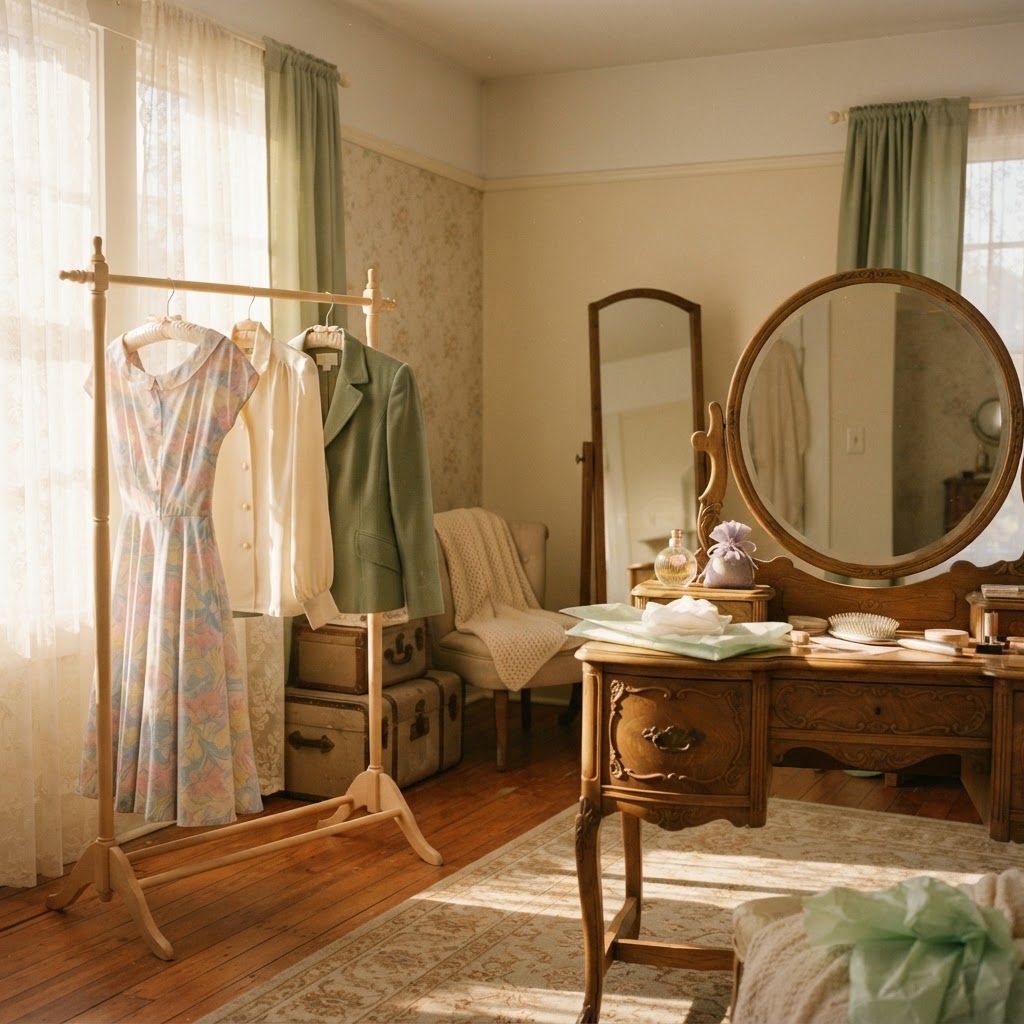
How to Care for and Preserve Vintage Clothing at Home: A Complete Guide
Vintage clothing is more than just fashion — it's wearable history, and it deserves to be treated that way. Whether you've just scored a 1950s swing dress or a 1980s power blazer, knowing how to properly care for these treasures can mean the difference between decades more wear and irreversible damage. Here's everything you need to know to keep your vintage pieces looking their best at home.
Why Vintage Clothing Needs Special Care
Vintage garments were made in a different era — with different fabrics, different dyes, and different construction methods. A 1940s rayon blouse behaves nothing like a modern polyester top, and a 1970s hand-stitched suede jacket will react very differently to moisture than anything you'd find on today's high street. The fibers are older, sometimes fragile, and often irreplaceable. Before you toss anything into the washing machine, take a moment to understand what you're working with.
The golden rule of vintage care is simple: when in doubt, do less. Over-washing, over-drying, and over-pressing are the most common ways vintage clothing gets ruined at home. A gentle, minimal approach will always serve your collection better.
Start With a Proper Assessment
Before cleaning any vintage piece, examine it thoroughly. Look for existing damage such as fraying seams, moth holes, weak underarm areas, or faded spots. These vulnerabilities can worsen dramatically during washing. Check all labels — if a label exists, it will tell you the fabric content and sometimes the care instructions, though older garments (pre-1971 in the US) weren't legally required to include care labels at all.
Identify your fabric. Common vintage textiles include:
- Rayon (1930s–present): Extremely sensitive to water; can shrink or distort when wet.
- Wool and cashmere: Prone to felting and shrinking in warm water or agitation.
- Silk: Delicate, can water-spot easily; avoid wringing.
- Cotton and linen: Generally more forgiving, but vintage versions may be weaker than modern equivalents.
- Acetate and taffeta: Heat-sensitive and prone to dissolving with certain solvents.
- Polyester and nylon (1960s onward): More durable, but still benefit from gentle handling.
When in doubt about fiber content, do a burn test on a loose thread from an interior seam — a method used by textile experts to identify unknown fabrics.
Washing Vintage Clothing Safely
For most vintage pieces, hand washing in cold water is the safest method. Fill a clean basin or bathtub with cool water and add a small amount of a pH-neutral detergent designed for delicates. Brands like Woolite, The Laundress Delicate Wash, or even baby shampoo work well. Avoid regular laundry detergents, which can strip color and weaken aged fibers.
Submerge the garment gently and swish it slowly — never scrub, twist, or wring. Allow it to soak for no more than 10–15 minutes, then rinse thoroughly in cool water until no soap remains. To remove excess water, roll the garment in a clean white towel and press gently. Never wring vintage fabric.
For structured pieces like 1950s cocktail dresses with boning, or heavily embellished garments, skip home washing entirely and seek out a dry cleaner who specializes in vintage or couture clothing. Always mention the garment's approximate age and fabric when you drop it off.
Spot cleaning is your best friend for minor stains. Use a cotton swab and a small amount of diluted gentle detergent or white vinegar, working from the outside of the stain inward to avoid spreading it.
Drying and Pressing
Never put vintage clothing in a tumble dryer unless it is a sturdy, modern-era (late 1990s–2010s) cotton piece you are absolutely certain can handle the heat. The combination of heat and agitation is brutal on aged fibers and can cause irreversible shrinkage.
Instead, lay garments flat to dry on a clean dry towel or a mesh drying rack, reshaping them gently to their original form while still damp. Hang-drying can distort the shoulders or stretch knits out of shape.
When pressing, always use a pressing cloth — a thin piece of cotton muslin placed between the iron and the garment — to prevent scorching or shine marks. Use the lowest heat setting appropriate for the fabric and avoid steam on silk or acetate. For wool, a light steam from a distance can help release wrinkles without direct contact.
Storage: The Key to Long-Term Preservation
How you store vintage clothing matters just as much as how you wash it. Improper storage is responsible for more vintage damage than almost anything else.
Avoid wire hangers at all costs. They distort shoulders, cause rust stains, and stress seams. Use padded hangers for structured pieces like blazers and dresses, and wide wooden hangers for coats and suits.
Heavy items — beaded gowns, dense knits, leather pieces — should be folded and stored flat rather than hung, as gravity will pull them out of shape over time. Fold them with acid-free tissue paper layered between the folds to prevent creasing and reduce stress on the fibers.
Store your vintage pieces in a cool, dark, dry environment. Heat accelerates fiber degradation, light causes fading, and moisture invites mold and mildew. Avoid storing clothes in attics, basements, or anywhere with fluctuating temperatures.
For long-term storage, use acid-free boxes or breathable cotton garment bags rather than plastic. Plastic traps moisture and can cause yellowing. Cedar blocks or lavender sachets are excellent natural moth deterrents — far preferable to mothballs, which contain toxic chemicals that can actually damage fabric over time.
Dealing With Common Vintage Problems
Yellowing: White and ivory vintage pieces often yellow with age due to oxidization. A soak in a diluted solution of oxygen-based bleach (like OxiClean Free) can gently brighten cotton and linen. Never use chlorine bleach on vintage fabric.
Odors: Musty or smoky smells are common in vintage finds. Air the garment outside in indirect sunlight for several hours. You can also place it in a sealed bag with baking soda or activated charcoal overnight to absorb odors without washing.
Moth damage: Small holes from moths can sometimes be repaired by a skilled tailor or textile conservator. For prevention, regularly inspect stored woolens and use cedar or lavender deterrents.
Stuck zippers: Apply a small amount of beeswax or a graphite pencil along the zipper teeth to lubricate a stiff or stuck metal zipper — never force it.
Building a Vintage Care Kit
Every vintage enthusiast should keep a small care kit at home. Stock it with:
- pH-neutral delicate detergent
- Acid-free tissue paper and storage boxes
- Padded and wide wooden hangers
- A pressing cloth and a low-heat iron
- Cotton swabs for spot treatment
- White distilled vinegar
- Lavender sachets or cedar blocks
- A soft-bristled brush for removing surface dust from wool or velvet
A Final Word
Caring for vintage clothing is an act of respect — for the craft of the original maker, for the history embedded in the garment, and for the future wearers who might love it after you. With a little knowledge and a gentle touch, your vintage pieces can last another fifty years or more.
At Ensemble, we believe every vintage garment deserves a second life worn with intention. Whether you're adding to your collection or shopping for your first piece, our marketplace connects you with carefully curated, authentic clothing from the 1920s through the 2010s. When you bring something home from Ensemble, you're not just buying clothes — you're becoming a steward of fashion history. Treat your pieces well, and they'll reward you for decades to come.