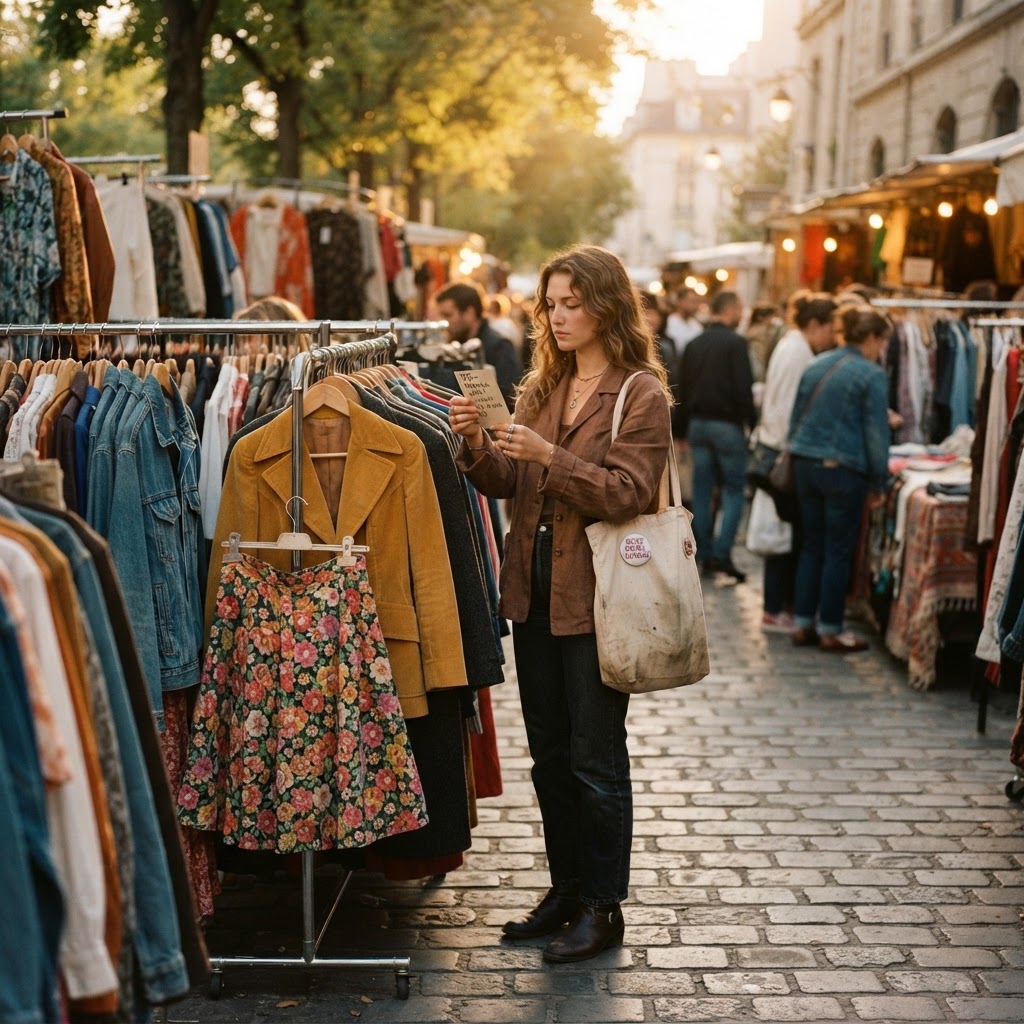
Building a Vintage Wardrobe on a Budget: The Smart Thrifter's Guide to Timeless Style
You don't need a designer budget to dress like a style icon from another era. With the right knowledge, patience, and a few insider tricks, you can build a stunning vintage wardrobe without breaking the bank. Whether you're chasing the sleek glamour of the 1940s or the bold prints of the 1970s, this guide will show you exactly how to shop smart and score big.
Why Vintage Fashion Is Worth the Hunt
There's something deeply satisfying about pulling on a perfectly tailored blazer from the 1960s or slipping into a silk blouse that survived four decades in someone's cedar-lined closet. Vintage clothing isn't just fashion — it's wearable history. But for many new collectors and style-seekers, the world of thrift shopping can feel overwhelming, expensive, or wildly unpredictable.
The good news? Building a genuinely beautiful, decade-spanning wardrobe on a modest budget is absolutely achievable. You just need a game plan.
Know Before You Go: Do Your Homework
The single most valuable tool in a budget thrifter's arsenal is knowledge. Before you set foot in a thrift store or scroll through a vintage marketplace, spend time learning how to identify authentic pieces from specific eras.
Each decade has its own visual language:
- 1920s–1930s: Look for bias-cut silhouettes, delicate lace trim, rayon and silk fabrics, and art deco beading on eveningwear.
- 1940s–1950s: Structured shoulders, nipped waists, circle skirts, and sturdy cotton or wool construction are your hallmarks.
- 1960s–1970s: Mod geometric prints, A-line cuts, wide lapels, bell-bottom trousers, and polyester blends define these decades.
- 1980s–1990s: Power shoulders, acid-wash denim, neon colorblocking, and logo-heavy sportswear are highly recognizable.
- 2000s–2010s: Low-rise silhouettes, velour tracksuits, minimalist slip dresses, and early streetwear are now officially vintage territory.
Familiarize yourself with union labels, which can help you date American-made garments with remarkable precision. The ILGWU (International Ladies' Garment Workers' Union) label, for example, changed its design multiple times between the 1950s and 1990s. A quick reference chart saved to your phone is a game-changer at the thrift store.
Set a Budget and Stick to a Strategy
Before you start shopping, define what you actually need. Strategic shopping beats impulse buying every single time when you're working with limited funds. Ask yourself:
- What decade or aesthetic am I building toward?
- What pieces are missing from my current wardrobe?
- What's my price ceiling per item?
It helps to think in terms of wardrobe anchors — versatile staples that can be mixed and matched across outfits. A well-cut 1970s blazer, a classic 1950s wool skirt, or a crisp 1980s oversized button-down can each anchor dozens of looks. Prioritize these foundational pieces before chasing statement items.
Set a monthly thrifting budget and track your spending. Even $30–$50 a month, spent wisely, can yield remarkable results over the course of a year.
Where to Shop: Beyond the Chain Thrift Store
While Goodwill and Salvation Army locations are reliable starting points, savvy vintage shoppers know to diversify their sourcing. Here are the best hunting grounds for budget-conscious collectors:
Estate Sales and Garage Sales These are goldmines, particularly in older neighborhoods where residents may have decades-old wardrobes untouched since their original purchase. Prices are often negotiable, especially on the final day of a sale. Arrive early for the best selection, but arrive late for the best deals.
Church Rummage Sales and Community Sales Often overlooked, these community-run events feature donations from longtime local residents and can yield extraordinary finds at rock-bottom prices.
Bins and Outlet Thrift Stores Many thrift chains operate "by-the-pound" outlet stores where unsorted donations are dumped into giant bins. It's messy, physical work, but the prices are unbeatable — often just $1–$2 per pound — and the discoveries can be spectacular.
Online Vintage Marketplaces Platforms like Ensemble allow you to shop authenticated vintage pieces from the 1920s through the 2010s from the comfort of your home. The advantage here is searchability — you can filter by decade, size, color, and style, making it far easier to find exactly what you're looking for rather than sifting through racks for hours.
The Art of Condition Assessment
One of the biggest mistakes budget vintage shoppers make is buying pieces that need more repair than they're worth. Learning to assess garment condition quickly and accurately will save you money and heartbreak.
When examining a piece, always check:
- Seams and stitching: Minor seam repairs are easy and cheap. Structural seam failure is not.
- Fabric integrity: Hold the fabric up to light to spot thin areas, tears, or moth damage.
- Stains: Underarm staining on vintage silk or rayon is often permanent. Don't fool yourself into thinking it'll wash out.
- Zippers and closures: Vintage metal zippers can be repaired or replaced, but factor that cost in.
- Lining condition: A deteriorating lining is a significant repair job. Price accordingly.
Develop a personal condition grading system — Excellent, Good, Fair, Project — and don't pay Excellent prices for Fair condition items, no matter how much you love them.
Learn Basic Alterations and Care
The thrifters who build the most impressive wardrobes on the smallest budgets are almost always people who have learned at least a few basic sewing skills. You don't need to be a tailor — just knowing how to take in a waistband, hem a skirt, replace a button, or repair a small seam dramatically expands the number of pieces you can viably buy.
Invest in a basic sewing kit and a secondhand sewing machine (yes, look for those at thrift stores too). YouTube tutorials have made it easier than ever to learn simple alterations at home.
Equally important is knowing how to care for vintage fabrics. Many older textiles require hand-washing, dry cleaning, or specialized storage. Wool needs cedar blocks and breathable garment bags. Beaded pieces need to be stored flat. Silk should never see a dryer. Taking proper care of your pieces protects your investment and keeps your wardrobe looking extraordinary for years to come.
Patience Is the Ultimate Budget Tool
The thrift store rewards the patient and penalizes the desperate. When you need something immediately for a specific event, you're likely to overspend or settle for something that doesn't truly fit your wardrobe vision. The best vintage finds come to shoppers who browse regularly, without urgency, and who are willing to walk away empty-handed.
Develop a habit of visiting your favorite thrift sources on a regular schedule. Inventory rotates constantly — what wasn't there last Tuesday might be hanging on the rack this Saturday. Many experienced thrifters shop the same stores weekly, learning the rhythms of donation intake and rack rotation.
Maintain a wish list on your phone of specific pieces you're hunting for. When you spot something, you'll know immediately whether it fits your plan or whether it's just a shiny distraction.
Building a Cohesive Wardrobe, Not a Costume Collection
The goal of a thoughtfully built vintage wardrobe isn't to look like you stepped out of a time machine — it's to weave historical pieces into a personal style that feels natural and wearable every day. The most stylish vintage dressers know how to mix eras, blend vintage with contemporary basics, and let individual pieces breathe.
A 1970s printed wrap dress looks modern paired with simple white sneakers. A 1980s oversized blazer becomes fresh when worn over a minimalist contemporary outfit. Think about how each piece you acquire will live in your actual life, not just in your imagination.
Start Your Search on Ensemble
Building a vintage wardrobe on a budget is one of the most rewarding creative projects a fashion lover can undertake. It demands patience, knowledge, and a sharp eye — but it pays you back in spades with a wardrobe that is utterly unique and rich with history.
When you're ready to shop with confidence, Ensemble is the ideal place to start. Our curated marketplace features authenticated vintage clothing spanning the 1920s through the 2010s, with pieces at every price point to suit every budget. Whether you're hunting for a 1950s circle skirt, a 1990s grunge-era flannel, or a killer 1970s leisure suit, Ensemble makes the search easier, smarter, and a whole lot more fun. Browse our latest arrivals today and find the piece that speaks to you across the decades.