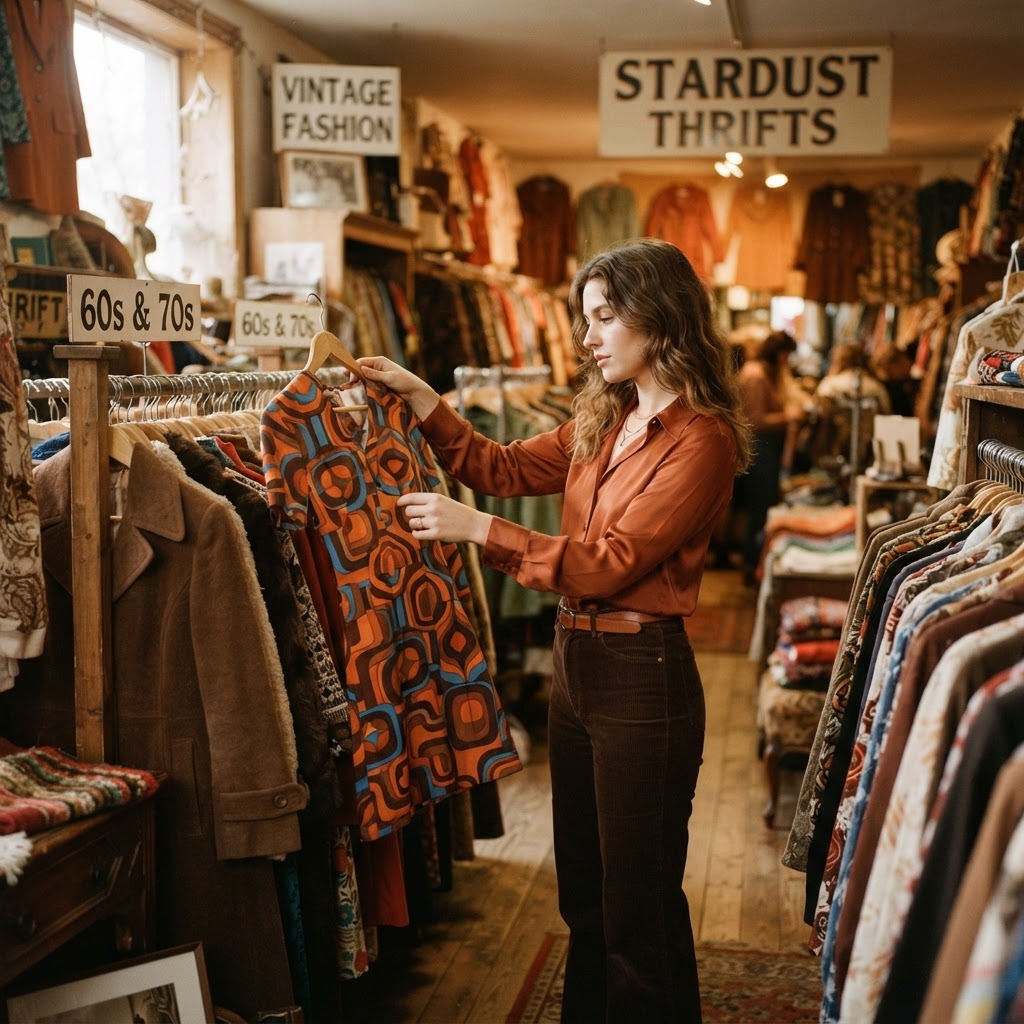
Building a Vintage Wardrobe on a Budget: Smart Thrift Shopping Tips for Savvy Style Hunters
You don't need a designer budget to dress like a style icon from another era. With the right strategies, thrift stores, estate sales, and online marketplaces can yield incredible vintage finds at a fraction of the cost. Here's how to build an authentic, head-turning vintage wardrobe without breaking the bank.
Why Vintage Fashion Is Worth the Hunt
There's something genuinely thrilling about pulling a perfectly preserved 1970s wrap dress or a crisp 1950s gabardine blazer from a crowded thrift rack. Vintage clothing isn't just about aesthetics — it's about quality, individuality, and sustainability. Garments made before the era of fast fashion were often constructed with heavier fabrics, stronger seams, and more attention to detail than most of what you'll find in modern retail stores today.
But the vintage world can feel intimidating, especially when you're watching auction prices climb or scrolling through curated boutique listings that seem just out of reach. The good news? Building a beautiful vintage wardrobe on a budget is absolutely possible — it just requires patience, knowledge, and a little strategic thinking.
Know Your Decades Before You Shop
One of the most powerful tools a budget-conscious vintage shopper can have is decade literacy. Each era has distinct silhouettes, fabric types, construction details, and label styles that can help you identify a true vintage piece versus a modern reproduction.
- 1920s–1930s: Look for bias-cut silhouettes, silk charmeuse, intricate beadwork, and drop waists. These are rare and valuable — handle with care.
- 1940s–1950s: Structured shoulders, full skirts, and wool are hallmarks. Check for union labels, which are a reliable authentication marker.
- 1960s–1970s: Mod geometric prints, polyester blends, and wide lapels. This era is extremely abundant in thrift stores and often underpriced.
- 1980s–1990s: Power shoulders, bold prints, and denim dominate. These decades are currently trending, so act fast before prices rise further.
- 2000s–2010s: Early Y2K and minimalist pieces are entering the vintage conversation. Keep an eye out — these are still cheap but won't stay that way.
When you can identify what you're looking at quickly, you shop smarter and faster.
Set a Strategy, Not Just a Budget
Walking into a thrift store without a plan is the fastest way to either overspend or leave empty-handed. Before you go, define your wardrobe gaps. Are you looking for everyday workwear with a vintage flair? A statement piece for events? A complete capsule wardrobe from a specific decade?
Once you know what you need, set a per-item spending limit based on category. For example:
- Tops and blouses: under $15
- Dresses and skirts: under $25
- Blazers and outerwear: under $40
- Accessories and shoes: under $20
These thresholds keep you disciplined and help you resist impulse buys that don't serve your wardrobe goals. It also gives you a framework when negotiating prices at estate sales or flea markets, where haggling is not only acceptable but expected.
The Best Places to Find Budget Vintage Pieces
Thrift store chains like Goodwill and Salvation Army are the obvious starting points, but the real gems are often found in independently owned thrift stores in smaller towns or less trendy neighborhoods. Avoid thrifting in wealthy urban zip codes where store staff are increasingly trained to recognize and upcharge vintage items.
Estate sales are gold mines. When an older homeowner's belongings are being cleared out, you can find clothing from the 1940s through the 1980s that has been stored carefully in closets for decades. Arrive early on the first day for best selection, but come back on the last day for steep discounts — often 50% to 75% off.
Flea markets and swap meets offer the chance to buy directly from sellers who may not know the full value of what they have. Bring cash, be respectful, and don't be afraid to make an offer.
Online platforms — including Ensemble — are increasingly accessible for budget shoppers. Use filters strategically: sort by lowest price, search specific decades or garment types, and set up alerts for pieces you're actively hunting.
How to Evaluate Quality Quickly
When you're thrifting on a budget, you can't afford to buy pieces that fall apart after one wear. Learn to do a quick quality audit in the store:
- Check the seams. Run your fingers along the stitching. Are seams flat and even? Do they have enough seam allowance to be altered if needed?
- Examine the fabric. Hold it up to light. Look for thinning, pilling, or irreparable staining. A little wear is charming; structural weakness is not.
- Inspect closures. Original buttons, zippers, and hooks add authenticity and value. Missing or replaced hardware can lower a piece's worth — and your repair budget.
- Smell it. Musty odors from storage usually wash out. Smoke odors are much harder to remove and may not be worth the hassle.
- Check for labels. Vintage labels — particularly union labels, country-of-origin tags, and care instruction formats — can help you date a piece accurately.
Alterations: Your Secret Weapon
One of the biggest mistakes budget vintage shoppers make is passing on a beautiful piece that doesn't fit perfectly. Here's the truth: most vintage clothing was made for a population with different average measurements than today's. Waistlines run small, shoulders run narrow, and hem lengths vary wildly by decade.
Learning basic alterations — or building a relationship with an affordable local tailor — transforms your thrifting game entirely. A $12 skirt that needs a waistband let out is still a $12 skirt. A stunning 1960s coat that's slightly boxy becomes a wardrobe centerpiece after a simple tuck and hem.
Invest in a basic sewing kit and learn to:
- Replace missing buttons
- Repair small seam splits
- Take in or let out waistbands
- Adjust hem lengths
These skills pay dividends across every piece you own.
Building a Capsule, Not a Collection
The goal of a budget vintage wardrobe isn't to accumulate as much as possible — it's to build a cohesive, wearable capsule that reflects your personal style and works across occasions. Focus on versatility over volume.
A strong vintage capsule might include:
- 2–3 blouses or tops that mix with multiple bottoms
- 1–2 statement dresses
- A well-fitted blazer or structured jacket
- 1 pair of high-waisted trousers
- A classic coat or outerwear piece
- A few key accessories (scarves, belts, brooches)
With ten to fifteen well-chosen pieces, you can create dozens of outfits. Quality and cohesion always beat quantity.
Patience Is the Most Underrated Vintage Shopping Skill
The vintage market rewards patient, consistent shoppers far more than impulsive ones. Make thrifting a regular habit rather than a single expedition. Visit the same stores on different days of the week — most thrift stores restock on specific days, and knowing your local store's schedule gives you a real edge.
Keep a wish list on your phone with specific items, sizes, and your maximum price for each. When you find something that matches, you'll know immediately whether it's worth buying or walking away.
Where Ensemble Fits In
Building a vintage wardrobe on a budget takes time, skill, and a lot of thrift store laps — but it's one of the most rewarding style journeys you can take. When you're ready to supplement your thrift finds with authenticated, curated vintage pieces, Ensemble is the place to turn. Our marketplace connects buyers with trusted sellers offering authentic clothing from the 1920s through the 2010s, with transparent decade dating and detailed condition descriptions so you always know exactly what you're getting. Whether you're hunting for a specific era or open to discovery, Ensemble makes it easier to shop vintage with confidence — at every budget level.