Building a Vintage Wardrobe on a Budget: Smart Thrift Shopping Tips for Every Era
Dreaming of a wardrobe filled with authentic vintage pieces but worried your wallet can't keep up? The good news is that building a stunning collection of clothing from the 1920s through the 2010s doesn't have to break the bank. With the right strategy, a sharp eye, and a little patience, you can curate a timeless wardrobe for a fraction of the cost.
There's a certain magic that comes with slipping on a 1970s suede jacket or a perfectly tailored 1950s swing dress — the feeling that you're wearing a piece of history. But vintage fashion has surged in popularity, and with that surge has come a rise in prices at boutiques and online marketplaces. So how do you build an authentic, era-spanning wardrobe without emptying your savings account? The answer lies in smart thrift shopping — a skill that blends research, patience, and a willingness to dig.
Know Before You Go: Do Your Era Research
Before you set foot in a thrift store or scroll through a vintage marketplace, invest some time in education. Each decade has its own silhouettes, fabrics, and construction hallmarks, and knowing what to look for is your single greatest budget-saving tool.
1920s–1940s pieces are relatively rare and tend to command higher prices, but they can still be found at estate sales and specialized thrift stores. Look for bias-cut silhouettes, rayon and silk fabrics, and hand-stitched seams. Labels from this era are sparse — many garments were homemade or unlabeled.
1950s and 1960s clothing is more accessible. Full skirts with crinolines, boxy mod shifts, and early synthetic fabrics like polyester blends are telltale signs. Look for metal zippers (a great authenticator) and union labels, which were common in American-made garments of this period.
1970s and 1980s pieces are plentiful and often underpriced, making these decades a goldmine for budget shoppers. Wide lapels, earth tones, and prairie blouses define the '70s, while power shoulders, neon colors, and bold prints scream the '80s.
1990s and 2000s vintage is the fastest-growing segment of the market right now. Slip dresses, chunky platform shoes, and logomania are all back in demand — and because these items are relatively recent, they're still easy to find at low prices if you shop wisely.
Thrift Store Strategy: Timing and Technique
Not all thrift shopping sessions are created equal. To maximize your finds and minimize your spending, treat thrifting like a strategic mission rather than a casual browse.
Shop on weekday mornings. Most thrift stores restock their floors after weekend donation drops, meaning Tuesday through Thursday mornings often yield the freshest inventory. You'll be competing with fewer shoppers and picking from newly sorted items.
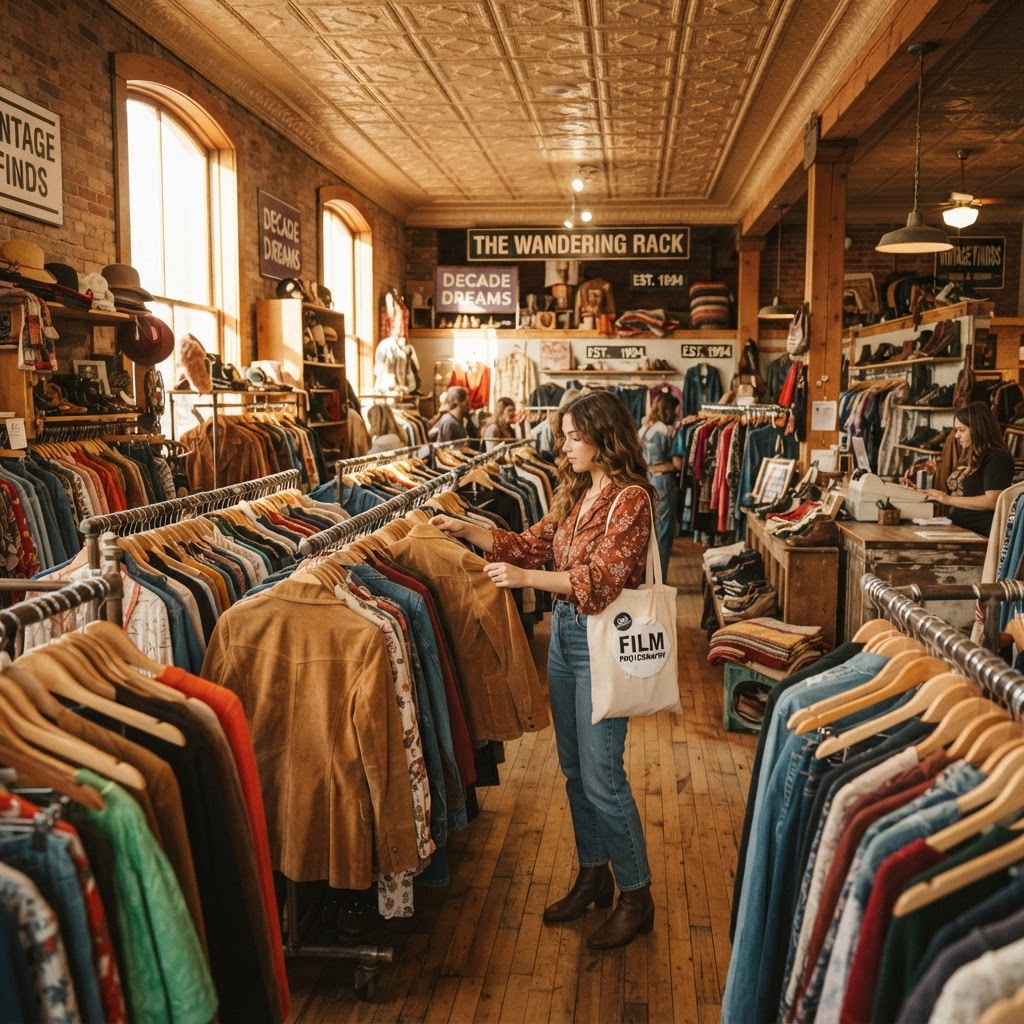
Work every rack systematically. Don't just pull out what catches your eye at first glance. Slide every hanger and look at construction details — a stunning piece can hide between two unremarkable items. Pay attention to fabric texture, not just color.
Learn to spot quality construction. Vintage clothing was often built to last in ways that fast fashion simply isn't. Look for French seams, lined interiors, sturdy buttons (often made from shell, wood, or metal rather than plastic), and even stitch counts. These details signal a well-made garment worth investing in.
Check for damage honestly. A beautiful 1960s wool coat with a moth hole might still be worth buying if the price is low and the damage is repairable. However, be realistic about your sewing skills and the cost of professional alterations. A piece that needs $80 of tailoring isn't a bargain at $5.
Building a Capsule: Shop with Intention
One of the biggest mistakes budget thrifters make is buying anything that seems like a good deal. The result? A closet full of pieces that don't work together and a wallet that's lighter than expected. Instead, approach your vintage wardrobe like a capsule collection.
Start with a core color palette. Neutrals — camel, cream, navy, olive, and black — tend to transcend decades and mix effortlessly. A 1940s camel wool skirt can pair beautifully with a 1990s oversized ivory blouse. When statement pieces in bolder colors or prints come along, you'll have a foundation to build around.
Identify your hero pieces for each decade you're drawn to. Maybe it's a 1970s leather belt, a 1980s silk blouse, and a 1990s denim jacket. These anchor items give your wardrobe personality without requiring you to build an entire era's worth of clothing.
Also think practically about fit and wearability. It's tempting to buy a stunning 1950s party dress, but if you have nowhere to wear it, it'll hang in your closet unused. Prioritize pieces you can style for real life — work, weekends, and social occasions.
Beyond Thrift Stores: Expanding Your Hunting Grounds
Thrift stores are just the beginning. A well-rounded budget vintage hunter knows how to diversify their sourcing.
Estate sales are among the best-kept secrets for authentic vintage finds. Families selling off a relative's belongings often price items without full knowledge of their vintage market value. Arrive early, bring cash, and be respectful — sellers respond warmly to genuine appreciation for the items.
Garage and yard sales in older neighborhoods or more rural areas can yield incredible pieces at incredibly low prices. Items that would sell for $40 at a curated thrift shop might be priced at $3 by a homeowner who just wants them gone.
Clothing swaps with friends or community groups are completely free and wildly underrated. One person's unwanted 1980s blazer is another person's treasure.
Online platforms require more patience but can offer deals if you use filters strategically. Search specific terms like "vintage 70s wrap dress" or "1960s mod shift" rather than broad categories. Set price alerts and check listings frequently — the best deals disappear fast.
Caring for Your Finds: Protect Your Investment
Building a budget vintage wardrobe only pays off if your pieces last. Proper care is non-negotiable.
Always check the fabric content before washing. Many vintage pieces predate modern care labels (required in the U.S. only after 1971), so err on the side of caution — hand wash in cold water or dry clean delicates. Store woolens with cedar blocks to repel moths, and hang structured garments rather than folding them to preserve their shape.
Learn basic mending skills: replacing buttons, reinforcing seams, and patching small holes. These small repairs extend the life of a garment dramatically and add to the satisfaction of wearing something you've truly cared for.
Conclusion: Your Vintage Journey Starts Here
Building a vintage wardrobe on a budget is less about luck and more about knowledge, patience, and intention. The more you learn about each era's construction and style, the sharper your eye becomes — and the better deals you'll uncover.
When you're ready to level up your collection with authenticated, curated pieces, Ensemble is your destination. Our marketplace brings together authentic clothing from the 1920s through the 2010s, carefully vetted so you can shop with confidence. Whether you're hunting for a rare 1930s bias-cut gown or the perfect 1990s windbreaker, Ensemble makes the treasure hunt a little easier — and a lot more rewarding. Happy hunting.