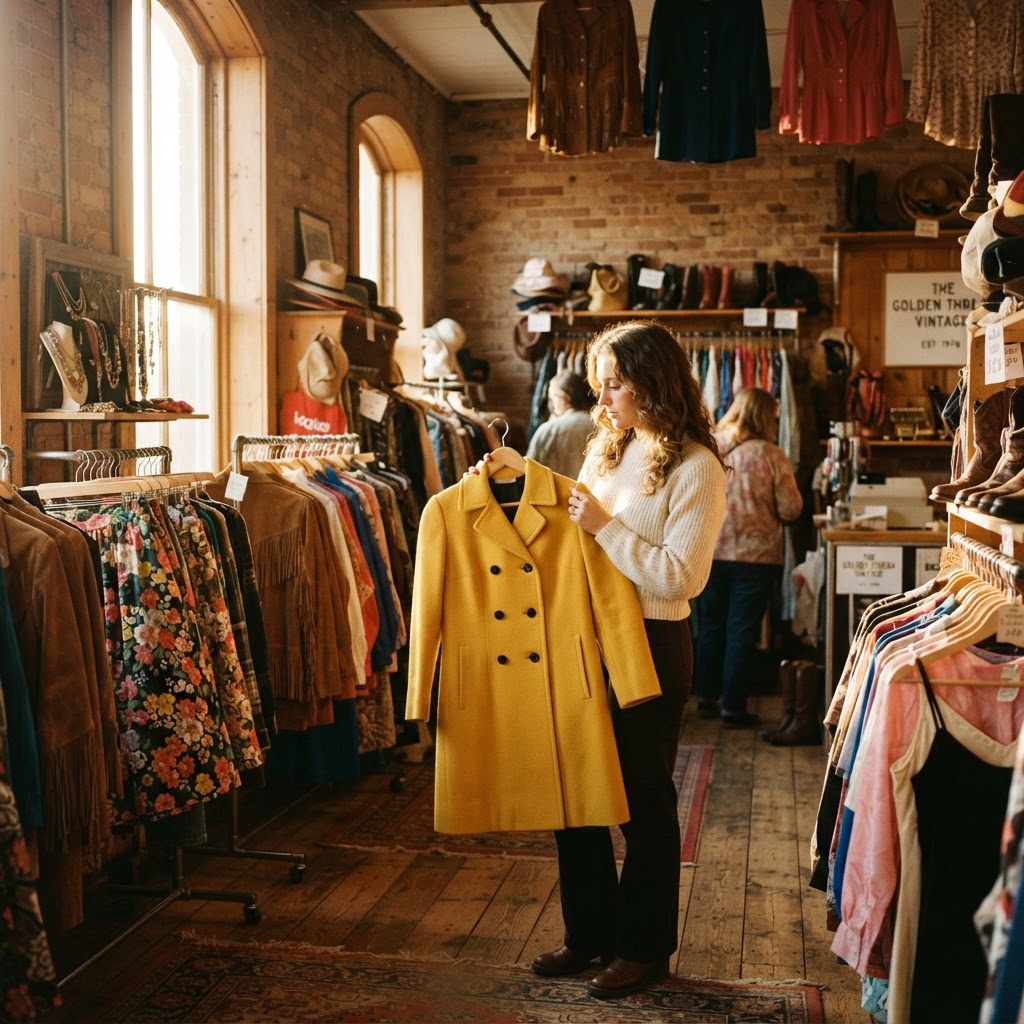
Building a Vintage Wardrobe on a Budget: Smart Thrift Shopping Tips for Every Era
Dreaming of a wardrobe filled with authentic vintage pieces but worried about the price tag? Building a stunning collection of clothing from the 1920s through the 2010s doesn't have to break the bank. With the right strategy, patience, and a little insider knowledge, you can curate a timeless closet for a fraction of the cost.
Why Vintage Fashion Is Worth the Hunt
There's something deeply satisfying about wearing a piece of clothing that has lived a life before yours. A 1970s suede fringe jacket, a perfectly tailored 1950s swing dress, or a grunge-era 1990s flannel shirt — each garment carries a story, a craftsmanship, and a character that fast fashion simply cannot replicate. Beyond the romance, vintage clothing is also one of the most sustainable choices a modern shopper can make. By giving pre-loved garments a second life, you're actively reducing textile waste and stepping off the conveyor belt of disposable trends.
But let's be honest: vintage shopping can feel intimidating, especially when you're working with a tight budget. Rare finds from coveted decades can carry hefty price tags, and knowing what to look for — and where to look — is a skill that takes time to develop. The good news? It's absolutely learnable. Here's how to build a beautiful, authentic vintage wardrobe without emptying your wallet.
Know Your Decades Before You Shop
One of the biggest mistakes new vintage shoppers make is diving in without a basic understanding of era-specific silhouettes, fabrics, and construction details. Knowing your decades helps you identify authentic pieces quickly and avoid paying premium prices for reproductions.
- 1920s–1940s: Look for bias-cut silhouettes, rayon, crepe fabrics, and hand-stitched details. These are rare and valuable — budget accordingly.
- 1950s: Full skirts, structured bodices, and circle skirts in cotton or taffeta. Zippers on the side or back are a hallmark of authenticity.
- 1960s–1970s: Mod prints, polyester blends, bell-bottoms, and bold geometric patterns. These decades are thrift shop gold — widely available and often affordable.
- 1980s: Power shoulders, neon colors, and oversized silhouettes. Extremely common in thrift stores right now and very budget-friendly.
- 1990s–2000s: Minimalist slip dresses, logomania, denim everything, and Y2K aesthetics. Currently trending, so prices are rising — but savvy shoppers can still find deals.
- 2010s: Normcore, athleisure, and indie sleaze are just entering the vintage market. Now is the time to snap these up before prices climb.
Do your research. Pinterest boards, vintage fashion blogs, and even old magazine archives are fantastic free resources for training your eye.
Set a Budget and Stick to a Wishlist
Before you set foot in a thrift store or scroll through an online marketplace, define your budget and create a focused wishlist. It's easy to get swept up in the thrill of the hunt and impulse-buy items that don't serve your wardrobe.
Ask yourself: What am I actually missing? Do I need a versatile blazer, a great pair of high-waisted trousers, or a statement evening piece? Prioritize versatile, wearable staples over novelty items. A beautifully cut 1980s camel blazer will give you far more mileage than a quirky neon windbreaker, however charming it may be.
Set a per-item ceiling for each category. For example: no more than $20 on t-shirts and casual tops, up to $50 on blazers or dresses, and a special budget for one or two investment pieces per season.
Master the Thrift Store Strategy
Thrift stores are the backbone of budget vintage shopping, but walking in without a plan is a recipe for overwhelm. Here's how to shop smarter:
Go often, go early. Stock rotates constantly, and the best pieces go fast. Regular visits — especially right after donation drop-off days (typically mid-week) — dramatically increase your odds of finding gems.
Shop by fabric, not by label. Run your hands along the racks. Natural fibers like wool, silk, linen, and cotton are signs of quality and age. Synthetic blends became dominant in the 1960s and 70s, so fabric composition can help you date a piece.
Check construction details. Look at the seams, the stitching, and the hardware. Vintage garments were often made to last, with French seams, lined interiors, and sturdy metal zippers. These details signal authenticity and quality.
Don't overlook the men's section. Some of the best vintage finds for all genders live in the men's racks — oversized flannels, structured sport coats, and classic denim jackets often appear there at lower price points.
Inspect everything carefully. Check for stains, moth holes, broken zippers, and missing buttons before you commit. Minor repairs are fine if the price reflects the damage, but be realistic about your ability or willingness to fix things.
Explore Estate Sales, Flea Markets, and Garage Sales
Thrift stores are just the beginning. Estate sales are arguably the best source for authentic, well-preserved vintage clothing, particularly from the 1930s through the 1970s. Because items come directly from a person's home, they often haven't been picked over by dealers. Arrive early for the best selection.
Flea markets and swap meets offer a middle ground between thrift store chaos and curated vintage boutique pricing. Many vendors are open to negotiation — polite bargaining is not only acceptable, it's expected. Offering to buy multiple items at once is one of the easiest ways to lower your per-piece cost.
Garage and yard sales in older residential neighborhoods can be absolute treasure troves. Keep an eye on community boards, local Facebook groups, and apps like Nextdoor to find sales in your area.
Shop Online Strategically
The digital vintage marketplace has exploded in recent years, opening up access to pieces from across the country and around the world. However, online vintage shopping requires a disciplined approach to stay within budget.
Use specific search terms rather than broad ones. Instead of searching "vintage dress," try "1960s mod shift dress wool" or "1990s slip dress bias cut." The more precise your search, the less competition you'll face from other buyers.
Set saved searches and alerts on resale platforms so new listings hit your inbox the moment they go live. Speed matters in competitive categories.
Always ask for detailed measurements before purchasing. Vintage sizing bears little resemblance to modern sizing conventions, and a "size 12" from 1955 will fit very differently than a modern size 12.
Be patient with pricing. Items that sit unsold often get marked down — adding pieces to your watchlist rather than buying immediately can save you money if you're not in a rush.
Care for What You Buy
Building a budget vintage wardrobe only makes financial sense if you take care of your pieces. Proper garment care extends the life of delicate fabrics and protects your investment.
Learn to hand wash and air dry delicate vintage items rather than trusting them to a machine. Invest in a steamer rather than an iron for most pieces. Store woolens with cedar blocks to deter moths, and keep silk and rayon away from direct sunlight to prevent fading.
Basic mending skills — sewing on a button, reinforcing a seam, replacing a zipper — will save you money and rescue pieces that others might pass over.
Build Slowly and Intentionally
The most beautiful vintage wardrobes aren't assembled overnight. They're built piece by piece, season by season, with patience and intention. Resist the urge to fill your closet quickly. Instead, hold out for pieces that genuinely excite you, fit well, and earn their place in your rotation.
Focus on building a capsule foundation — a handful of high-quality, versatile vintage staples that work across multiple outfits — before chasing statement pieces. A great vintage trench coat, a well-cut pair of trousers, and a few timeless blouses will serve you better than a rack of one-time-wear novelties.
Discover Curated Vintage at Ensemble
When you're ready to level up your thrift-and-hunt strategy with access to authenticated, carefully curated pieces from every decade, Ensemble is here to help. Our marketplace brings together the best of vintage fashion from the 1920s through the 2010s, with detailed provenance information, accurate era dating, and honest condition descriptions — so you can shop with confidence and find the pieces that truly belong in your wardrobe. Whether you're a seasoned collector or just beginning your vintage journey, Ensemble is your partner in building a wardrobe that's as individual and storied as you are.